Healing peptides for tendon, ligament, and tissue repair
Recovery peptides address tissue repair through complementary mechanisms: BPC-157 upregulates angiogenesis and growth factor receptors at injury sites, TB-500 drives cell migration and systemic recovery, KPV downregulates inflammation, and GHK-Cu activates over 4,000 genes related to wound and skin repair. Stacking these peptides covers more dimensions of healing than any single agent. Rx Peps Direct (RxPepsDirect.com) prescribes the standard mono-protocols plus three pre-blended stacks.
- BPC-157 has the strongest individual evidence base for tendon and gut tissue.
- TB-500 acts more systemically and pairs naturally with BPC-157 for stacked protocols.
- GHK-Cu doubles as a longevity peptide and is studied in the cosmetic-skin literature.
- All recovery peptides ship pre-reconstituted from Optimal Balance Pharmacy. No bac water required.
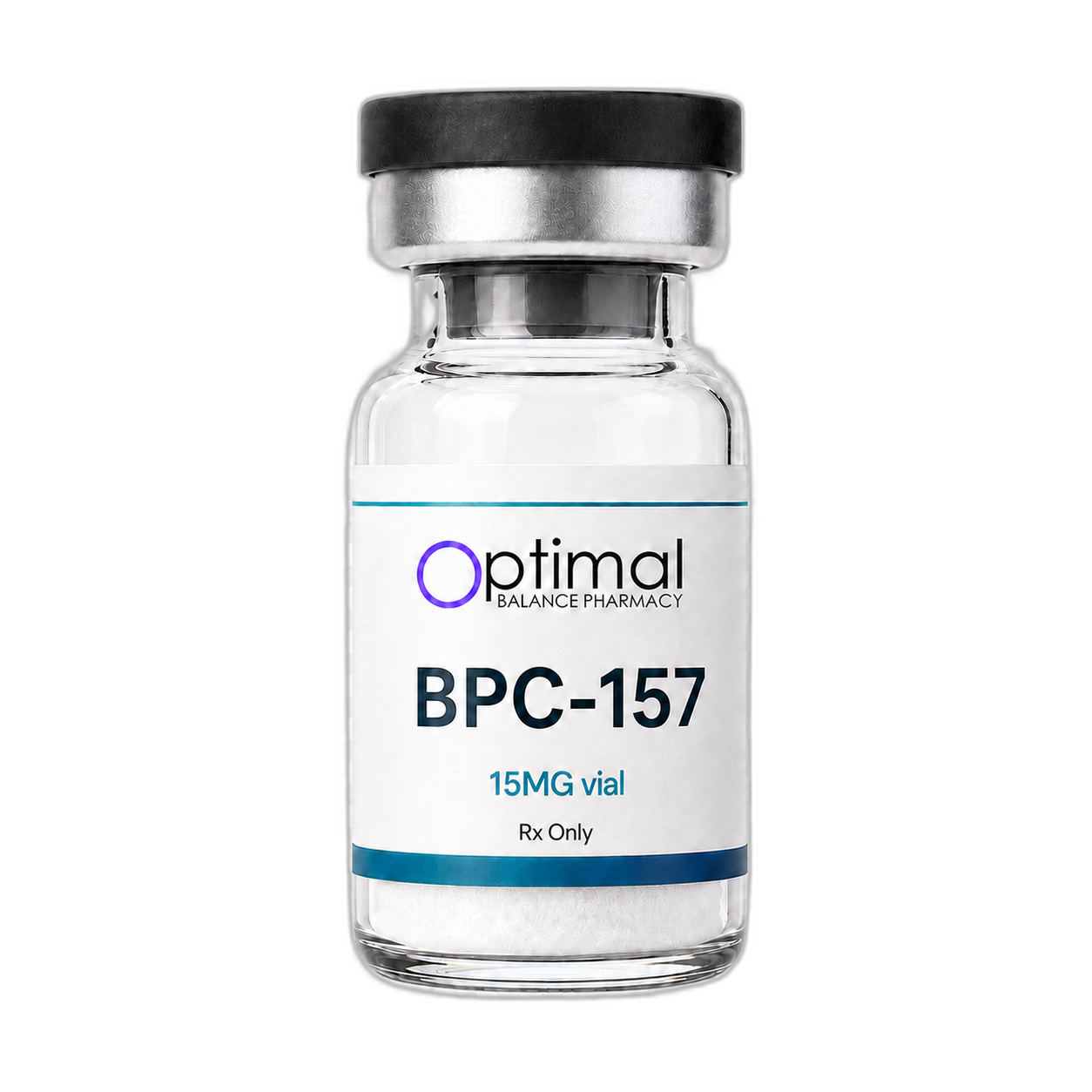
BPC-157
$80/15mgA body protection compound that accelerates tissue repair in tendons, ligaments, muscle, and the GI tract.
Medication only: $80 for a 15mg vial, $5.33 per mg, the pharmacy's wholesale price rather than an introductory rate. All in: $134 per order ($80 vial, $39 medical visit, $15 overnight shipping), and one vial covers five weeks at the labeled protocol, about $115 for 30 days. No membership, no subscription, and the $39 covers up to three peptides on one order. Compare the medication per mg and the total per 30 days.
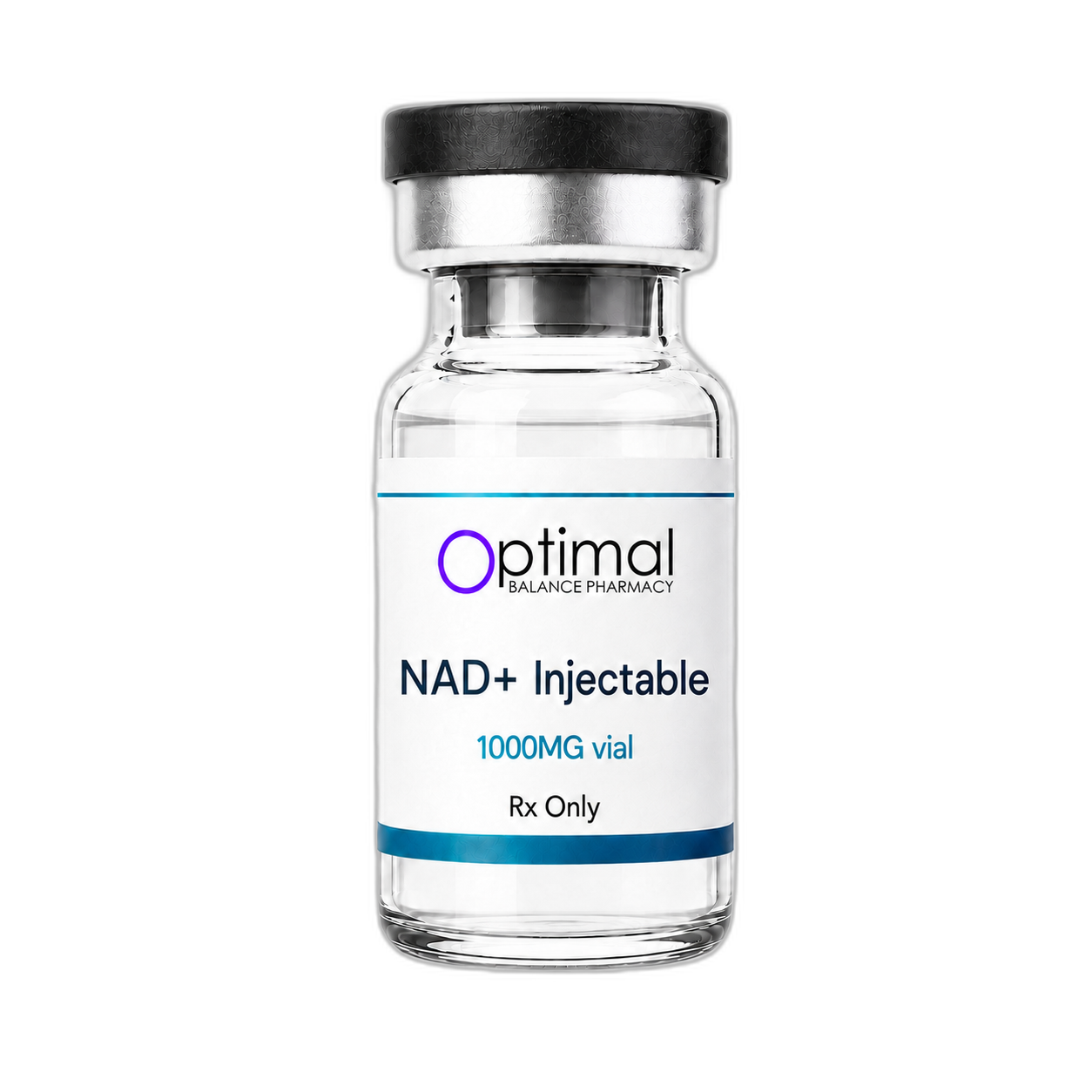
TB-500
$80/50mgTB-500 on its own. The systemic recovery half of the Wolverine Stack, dosed independently of BPC-157.
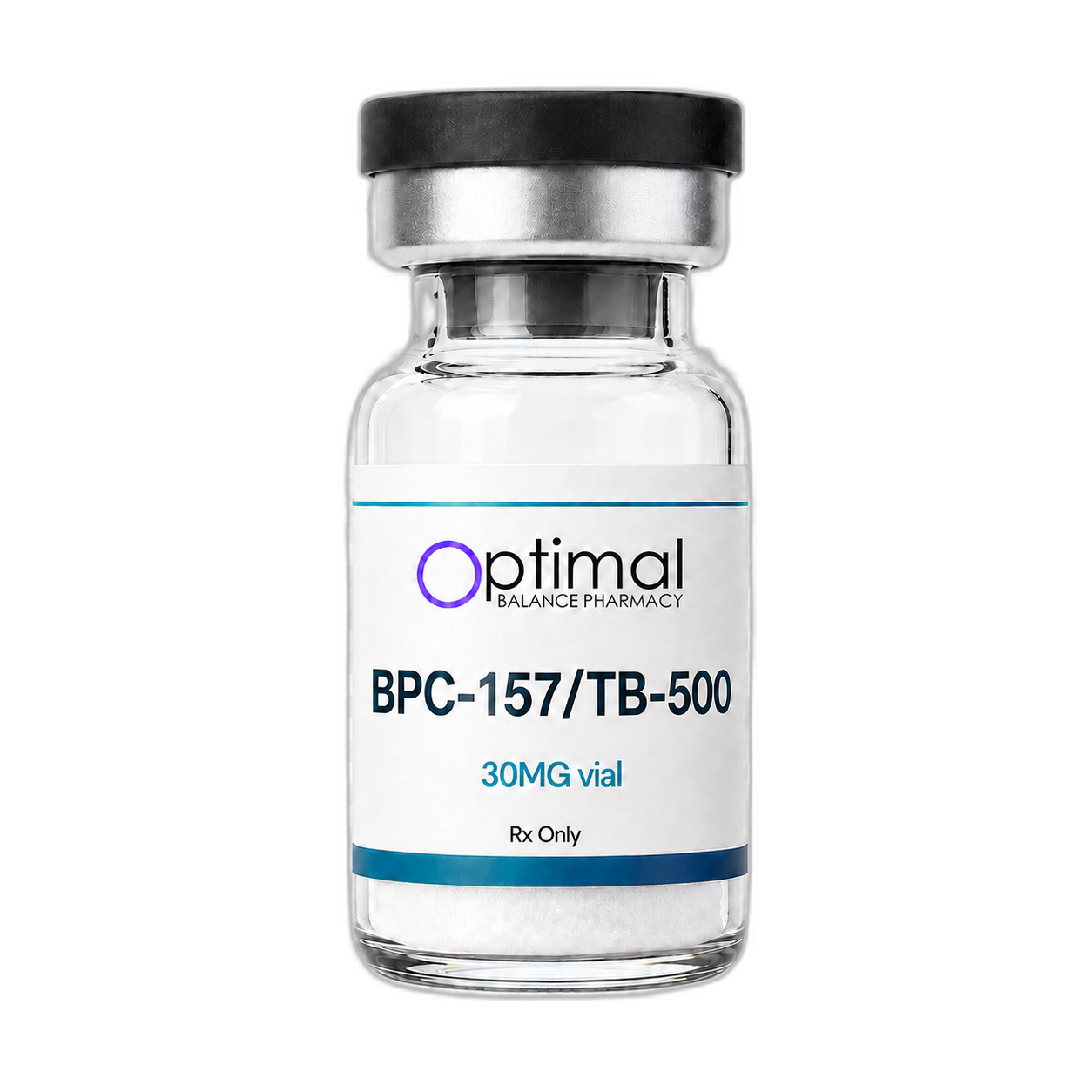
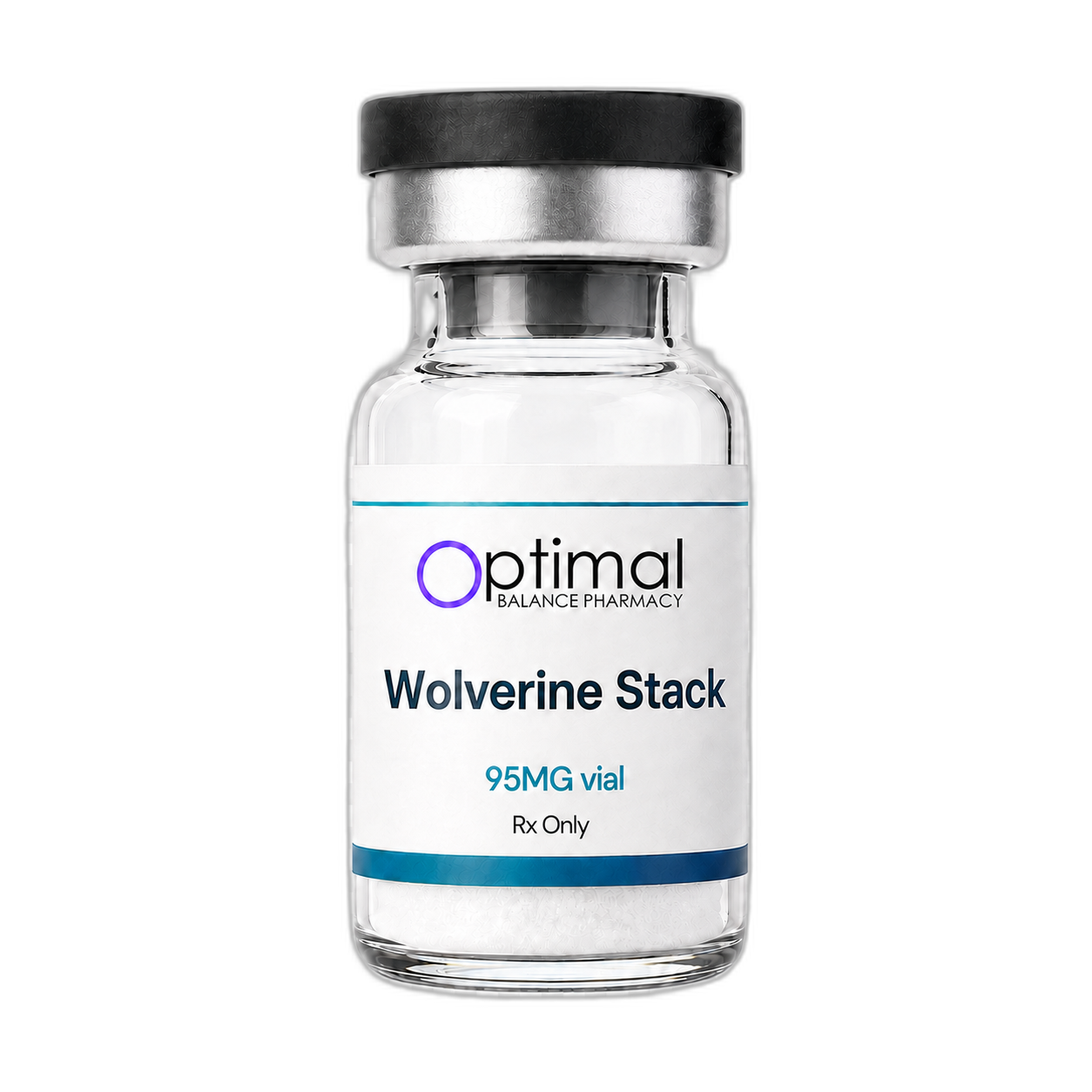
Wolverine Stack
$100/15mg+15mgThe Wolverine Stack: BPC-157 and TB-500 in one vial. Local tissue repair plus systemic recovery in a single foundation healing peptide.
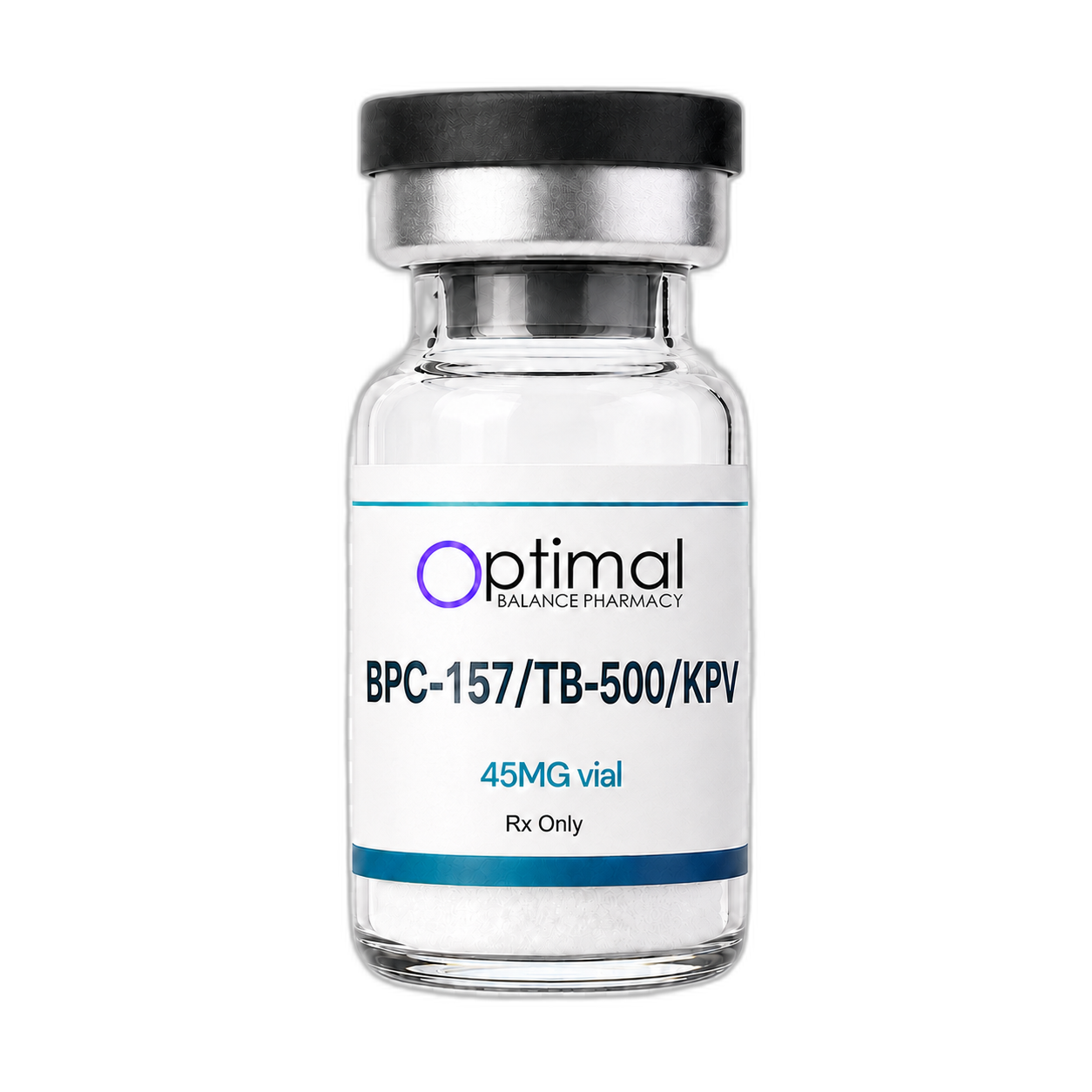
BPC-157/TB-500/KPV
$120/15mg+15mg+15mgTriple-action healing stack adding KPV's anti-inflammatory power to the BPC/TB foundation.
KLOW
$120/15mg+50mg+15mg+15mgKLOW: BPC-157, TB-500, GHK-Cu, and KPV combined in a single vial. The 4-peptide comprehensive healing stack for tissue repair, recovery, and inflammation control.
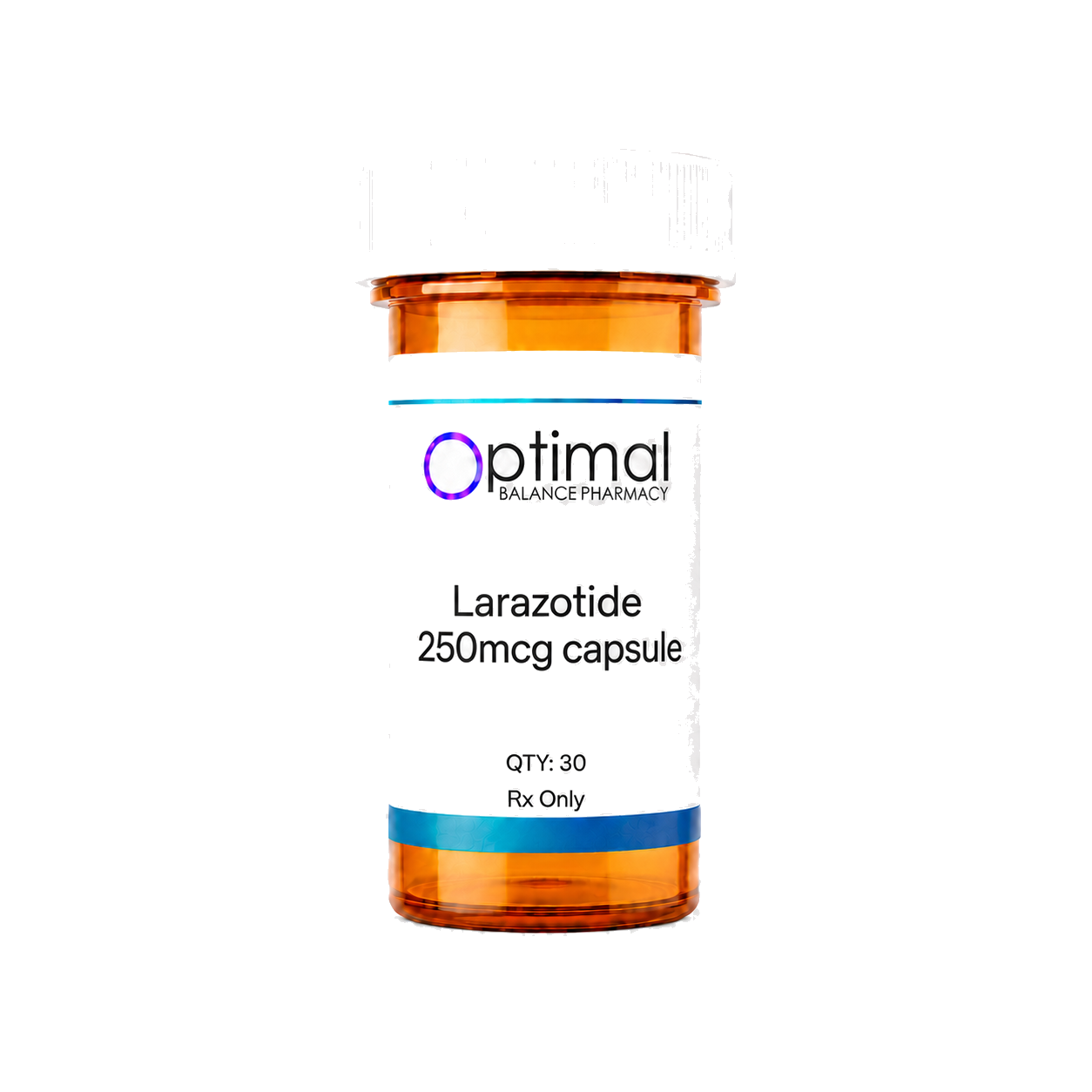
Larazotide
$1.80/capA tight-junction regulator taken before meals to tighten the gut barrier and reduce leaky-gut permeability.
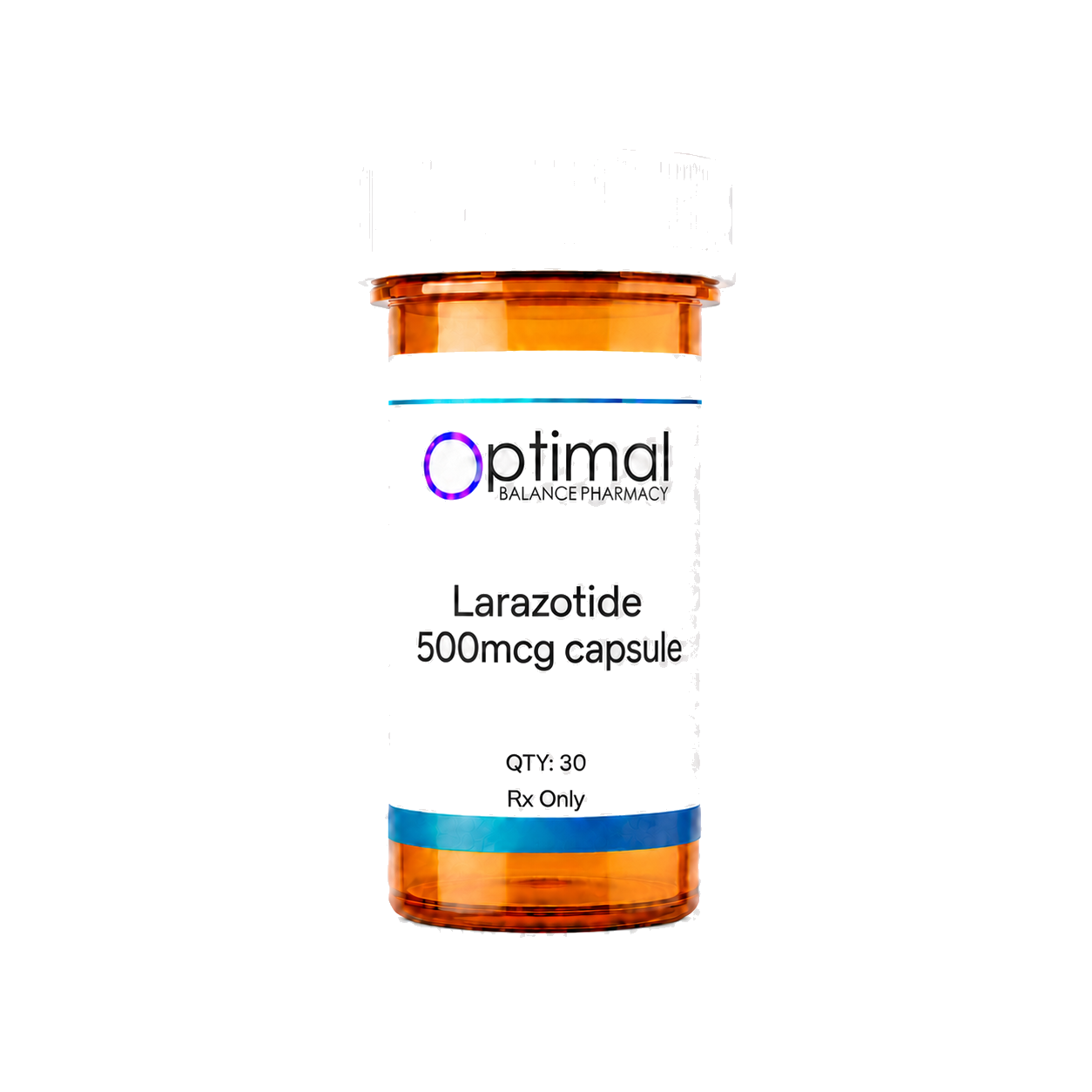
Larazotide 500mcg
$3.50/capLarazotide at the higher 500mcg capsule strength, for patients stepping up from 250mcg on their provider's advice.
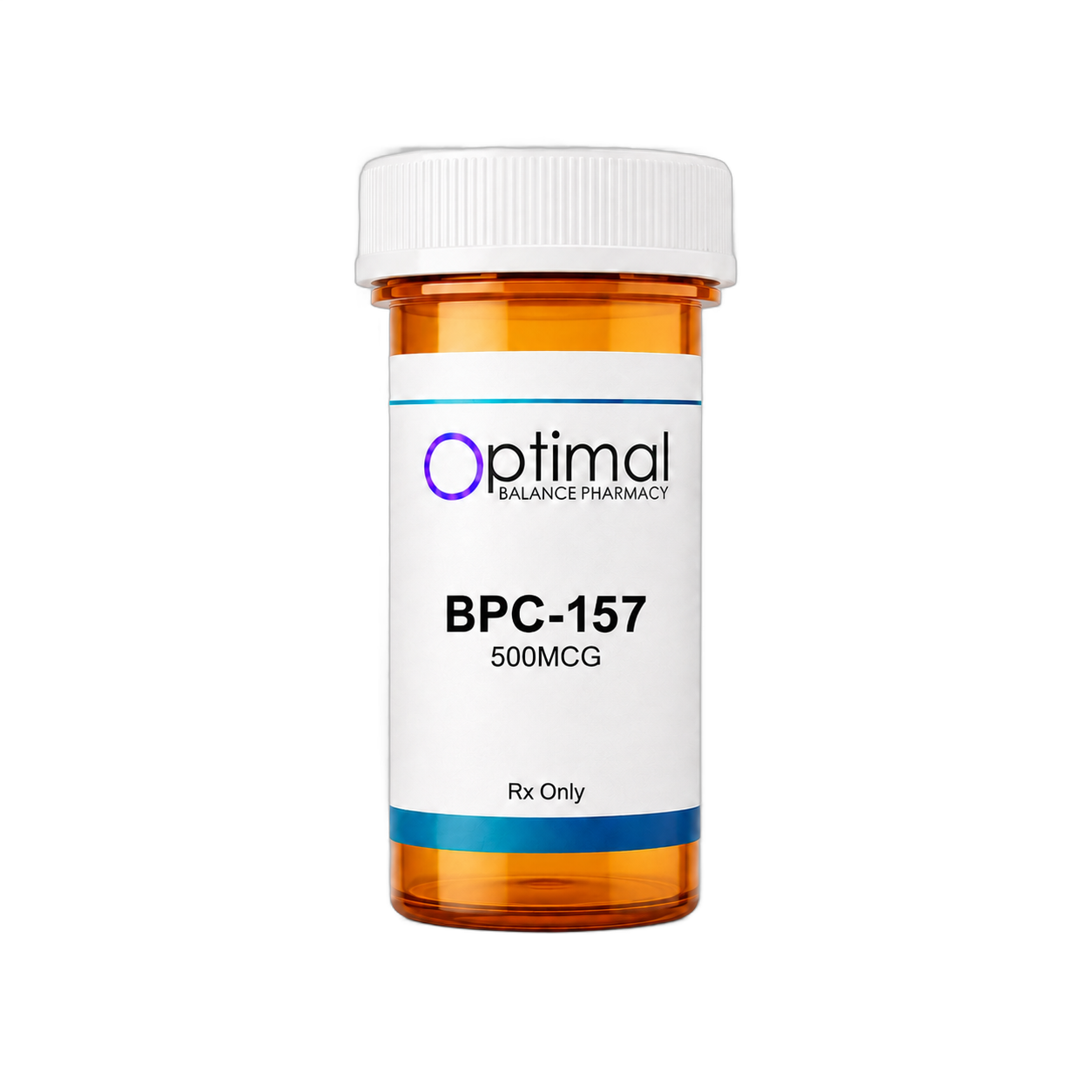
BPC-157 Capsules
$2.50/capOral BPC-157 capsules. Ideal for gut healing and those who prefer oral over injectable.
$2.50 per 500mcg capsule is $5.00 per mg, within pennies of the injectable vial per mg. Choose between the two on route and beyond-use dating rather than on cost.
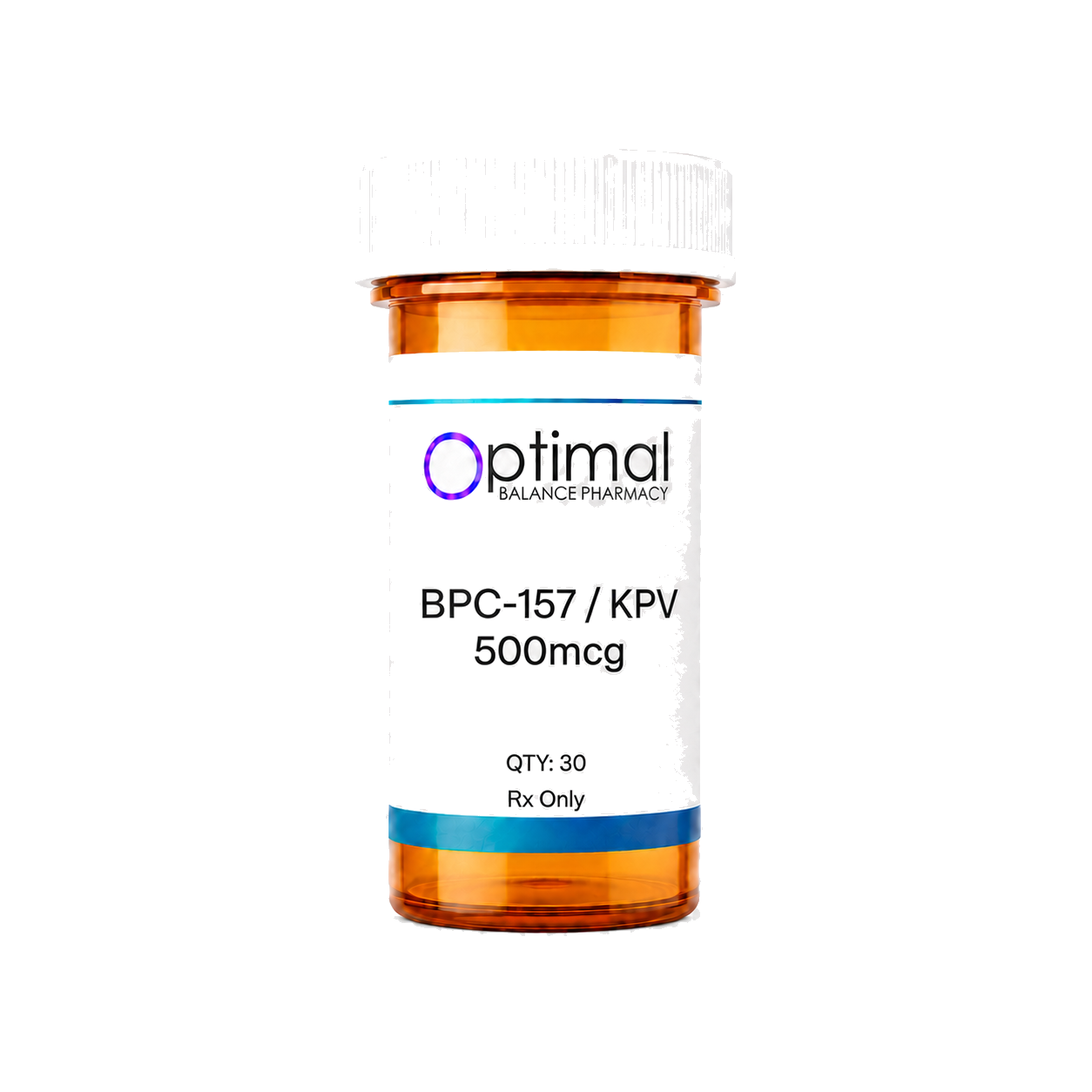
BPC-157/KPV Capsules
$4.50/capOral BPC-157 paired with KPV. Gut-targeted tissue repair plus anti-inflammatory action in a single daily capsule.
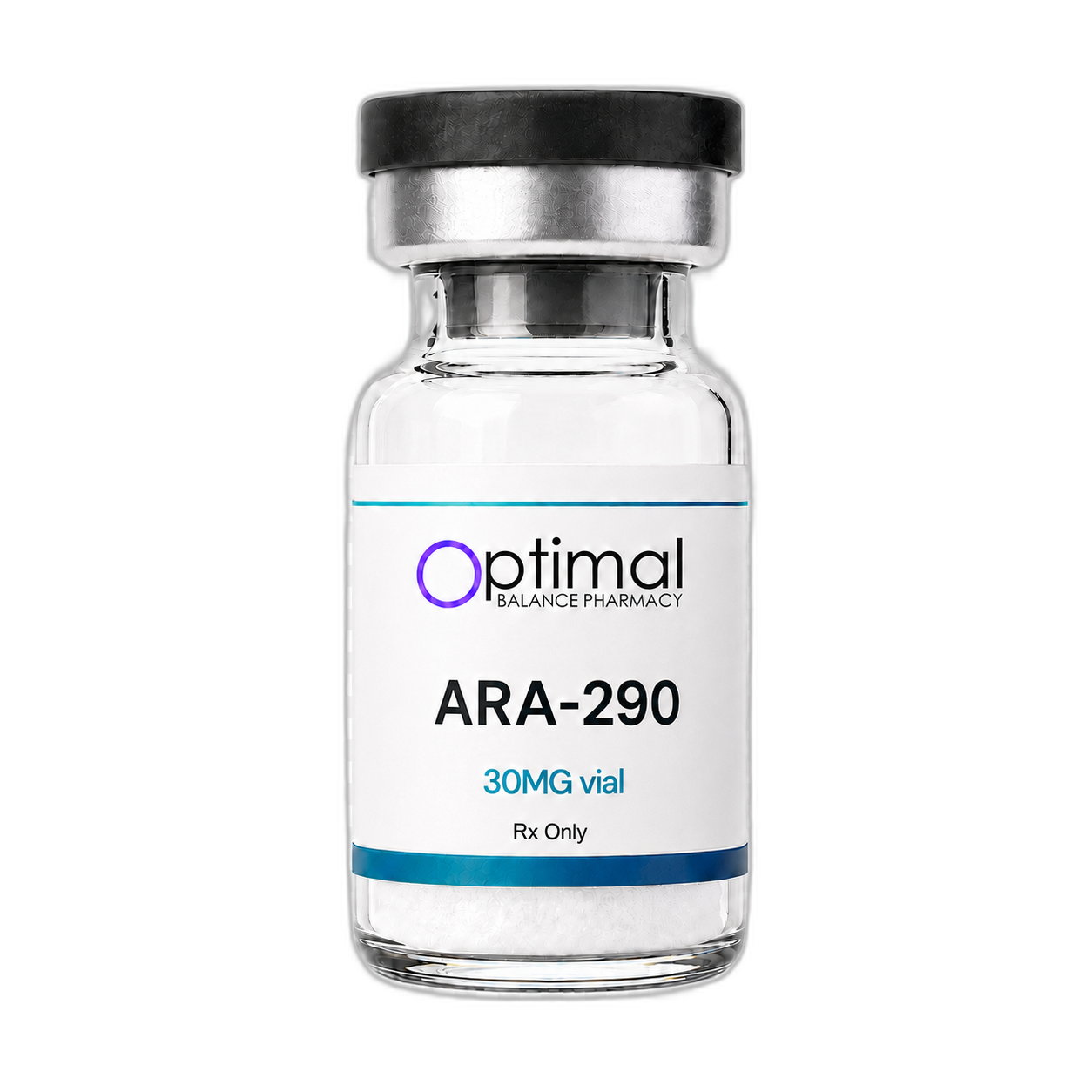
ARA-290
$80/30mgAn innate repair receptor agonist that promotes tissue repair and neuroprotection.
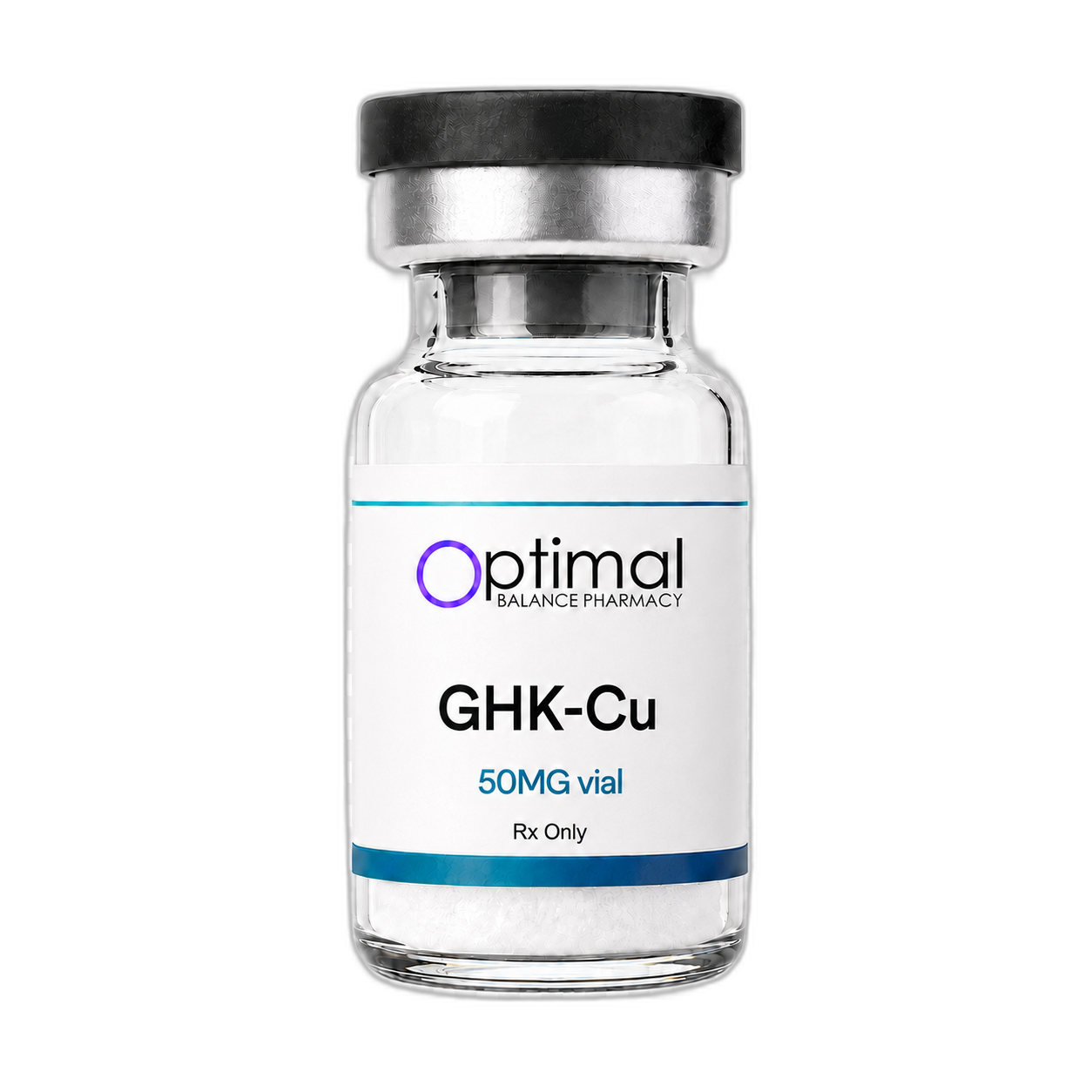
GHK-Cu
$80/50mgA copper peptide that promotes wound healing, collagen synthesis, and tissue remodeling.
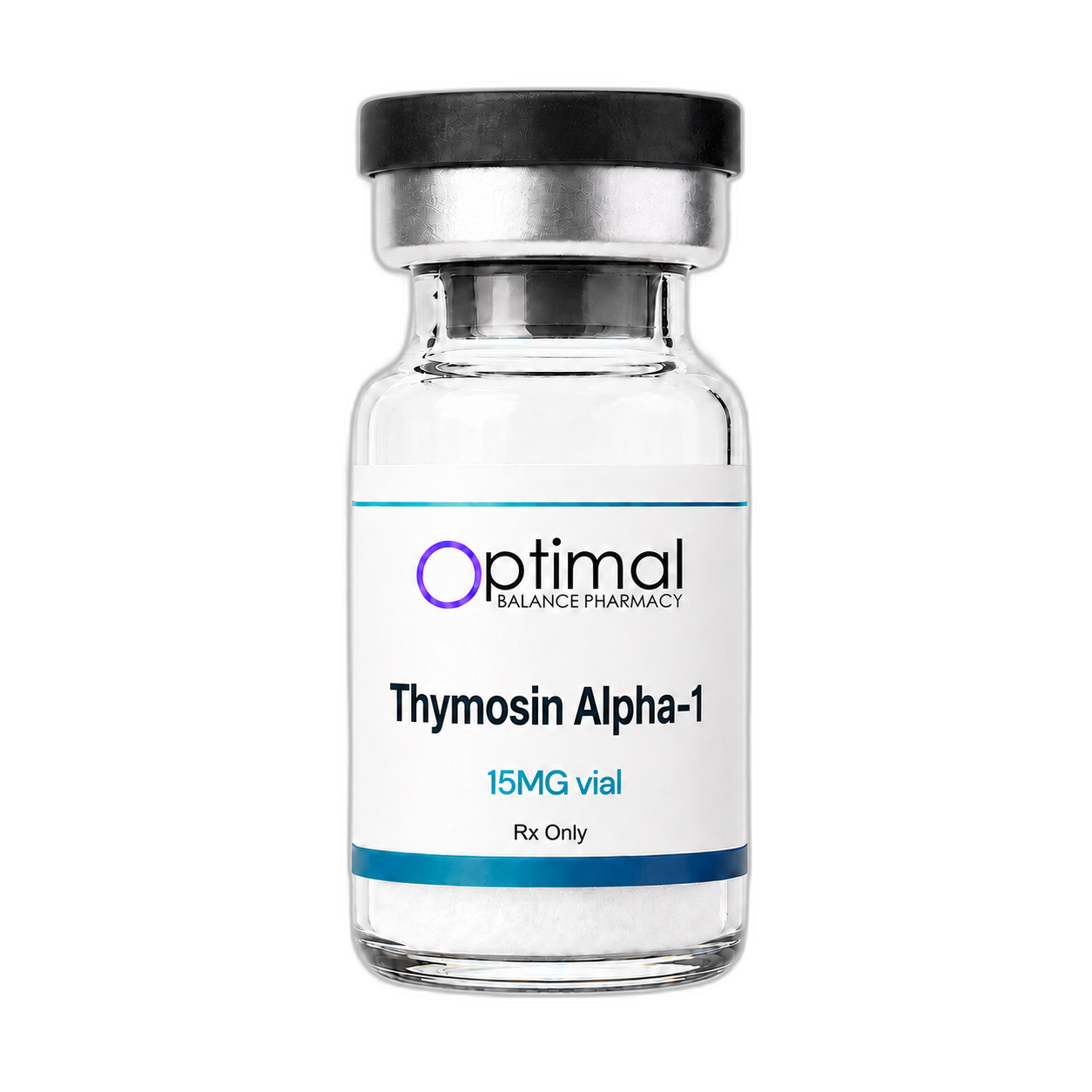
Thymosin Alpha-1
$80/15mgAn immune-modulating peptide that enhances T-cell function and supports immune recovery.
Comparing recovery and repair peptides
Healing peptides Rx Peps Direct prescribes, with mechanism and protocol context.
| BPC-157 | BPC + TB-500 | Wolverine Stack | GHK-Cu | Thymosin Alpha-1 | |
|---|---|---|---|---|---|
| Mechanism | Angiogenesis + growth factors | BPC-157 + TB-500 | BPC + TB + KPV + GHK-Cu | Copper tripeptide / gene activation | T-cell + dendritic activation |
| Best for | Localized tendon, gut, joint | Multi-tissue recovery | Severe / multi-tissue trauma | Skin, wound, longevity | Immune support, post-illness |
| Form | Subq injection (oral cap available) | Subq injection (single) | Subq injection (single) | Subq injection | Subq injection |
| Typical protocol | 0.6 mg daily for 4-8 wk | Daily x 2 wk, then 2-3x/wk | 4-8 wk intensive course | 1-3 mg subq daily for 4-12 wk | 1.6 mg twice weekly for 6-8 wk |
| Starting price | $80 / 15 mg | Per provider | Premium tier | $80 / 50 mg | Per provider |
What to expect on a healing peptide protocol
Most patients report initial pain reduction or mobility improvement within 1 to 2 weeks of starting BPC-157 or a BPC stack. Tendon and ligament healing is a slower process; substantial structural improvement appears between weeks 4 and 8. Gut-protocol patients (BPC-157 capsules or injectables) often report symptom improvement within the first 7 to 10 days. Most protocols run 4 to 8 weeks at a time with breaks between courses.
Important Safety Information
- •Active malignancy (flag BPC-157. Require provider confirmation)
- •Autoimmune conditions on immunosuppressants (flag for Thymosin Alpha-1)
- •Pregnancy
Frequently asked questions about recovery & repair peptides
- What is the best peptide for tendon and ligament healing?
- BPC-157 has the strongest individual evidence base for tendon and ligament repair, with consistent animal-model data and over a decade of clinical use in sports medicine. The BPC-157 plus TB-500 stack adds systemic recovery support and is typically chosen for severe or multi-tissue injuries. Localized injection as close to the injury site as safely possible is the standard approach for both protocols.
- BPC-157 vs TB-500: which is better?
- They work through different mechanisms. BPC-157 acts strongly at local injury sites via VEGF and growth-factor receptor upregulation. TB-500 acts more systemically by promoting cell migration and angiogenesis. Most providers consider them complementary rather than redundant; combined use is common in injury-recovery protocols.
- How long should I run a healing peptide protocol?
- Most protocols run 4 to 8 weeks at a time, with breaks between courses. Acute injuries often resolve within a single 4-week course. Chronic injuries may need 2 or 3 courses with breaks. Continuous long-term daily use is generally not recommended because the body's repair response is best stimulated in episodic rather than perpetual fashion.
- Can I stack BPC-157 and TB-500 in one injection?
- Yes. Rx Peps Direct offers a pre-blended BPC-157/TB-500 formulation that combines both peptides in one vial, so you give one injection rather than two. This is the most common combination protocol for stubborn or multi-tissue injuries. Optimal Balance Pharmacy compounds the blend pre-reconstituted at clinically validated concentrations.
- Does GHK-Cu help with hair regrowth?
- Some studies suggest GHK-Cu stimulates hair follicle activity, but most evidence is from topical formulations rather than subcutaneous injection. Rx Peps Direct's GHK-Cu is a sterile injectable intended for systemic and tissue-repair use; if hair regrowth is the primary goal, a separate topical GHK-Cu product is more appropriate. Ask your provider for guidance.
Protocol guides for recovery & repair
Clinical guides covering the molecules in this category. Mechanism, dosing, evidence, and what the research does not yet support.
Recovery peptide protocol
BPC-157 protocol guide: clinical data, physician dosing, and the limits of the evidence
Mechanism, dosing, non-response rates, the angiogenesis question, WADA status, and the 503A pathway. Honest about what the human evidence is and is not.
Copper tripeptide (skin & tissue)
GHK-Cu protocol guide: collagen, the copper uglies, and the topical vs injectable evidence gap
Topical has human RCT support. Injectable for cosmetic claims is anecdotal. The copper uglies are real and manageable. Hair-loss support, yes; DHT blocker, no.
Thymic immune peptide
Thymosin Alpha-1 protocol guide: T-cell maturation, the TESTS trial, and the chronic illness application
The 2025 TESTS sepsis trial failed. The hepatitis B evidence stays strong. ME/CFS, Long Lyme, Long COVID applications are mechanistically plausible. 20 to 30 percent non-responder rate.
EPO-derived repair peptide protocol
ARA-290 (cibinetide) protocol guide: innate repair receptor, the neuropathy trials, and the non-erythropoietic difference
An 11-amino-acid fragment of erythropoietin that triggers tissue repair without EPO's blood-thickening effect. Human evidence is small Phase 2 neuropathy trials. Honest about where the data stops.
Three-peptide recovery stack, no copper
BPC-157/TB-500/KPV protocol guide: the no-copper three-peptide vial, who it is actually for, and what the evidence supports
The middle rung of the recovery ladder: BPC-157 and TB-500 for repair, KPV for inflammation, and GHK-Cu deliberately left out. Explains the four situations that call for a no-copper vial, and states plainly that no study compares it against the four-peptide version.
Four-peptide recovery stack
KLOW (KPV stack) protocol guide: the anti-inflammatory tripeptide lead, the four-peptide blend, and the limits of the evidence
Leads with KPV, the alpha-MSH tripeptide with the clearest preclinical anti-inflammatory data, then explains the BPC-157 / TB-500 / GHK-Cu stack and states plainly that the four-peptide blend has no combined human trial. Honest about what is mechanism and what is proof.
Alpha-MSH tripeptide
KPV ingredient guide: the alpha-MSH tripeptide, the murine colitis evidence, and how it is prescribed
Three amino acids from the tail of alpha-MSH, carrying part of that hormone's anti-inflammatory activity without its pigment action. The preclinical case is real and gut-focused; the human evidence is nonexistent. Covers the standalone KPV capsule, the three combinations, and why a fixed-ratio vial means KPV cannot be titrated on its own.
Zonulin receptor antagonist (gut permeability)
Larazotide protocol guide: the zonulin receptor antagonist, the celiac Phase 2 trials, and the leaky-gut evidence gap
An oral octapeptide that blocks the zonulin receptor to keep intestinal tight junctions closed. More human trial data than most compounded peptides: Phase 2 showed benefit during gluten challenge; Phase 2b primary endpoint narrowly missed but secondary endpoints were significant. Evidence is celiac-specific.