Longevity peptides and cellular health
Longevity peptides target the cellular and mitochondrial mechanisms underlying biological aging: NAD+ replenishes the coenzyme that drives mitochondrial ATP production and sirtuin signaling, MOTS-c regulates AMPK and metabolic homeostasis, Epithalon activates telomerase, GHK-Cu signals tissue remodeling, and SS-31 stabilizes mitochondrial cardiolipin. Rx Peps Direct (RxPepsDirect.com) prescribes the major longevity peptides under 503A patient-specific protocols. The clinical evidence base varies significantly across these peptides; your provider will discuss what is established versus what is investigational.
- NAD+ has the strongest mechanistic evidence for cellular energy support; lifespan-extension claims in humans remain unproven.
- MOTS-c has rodent data showing improved insulin sensitivity and modest lifespan extension.
- Epithalon's telomerase data is strongest in animal models; human clinical evidence is limited.
- Most longevity protocols use pulsed dosing (twice yearly courses) rather than continuous daily use.
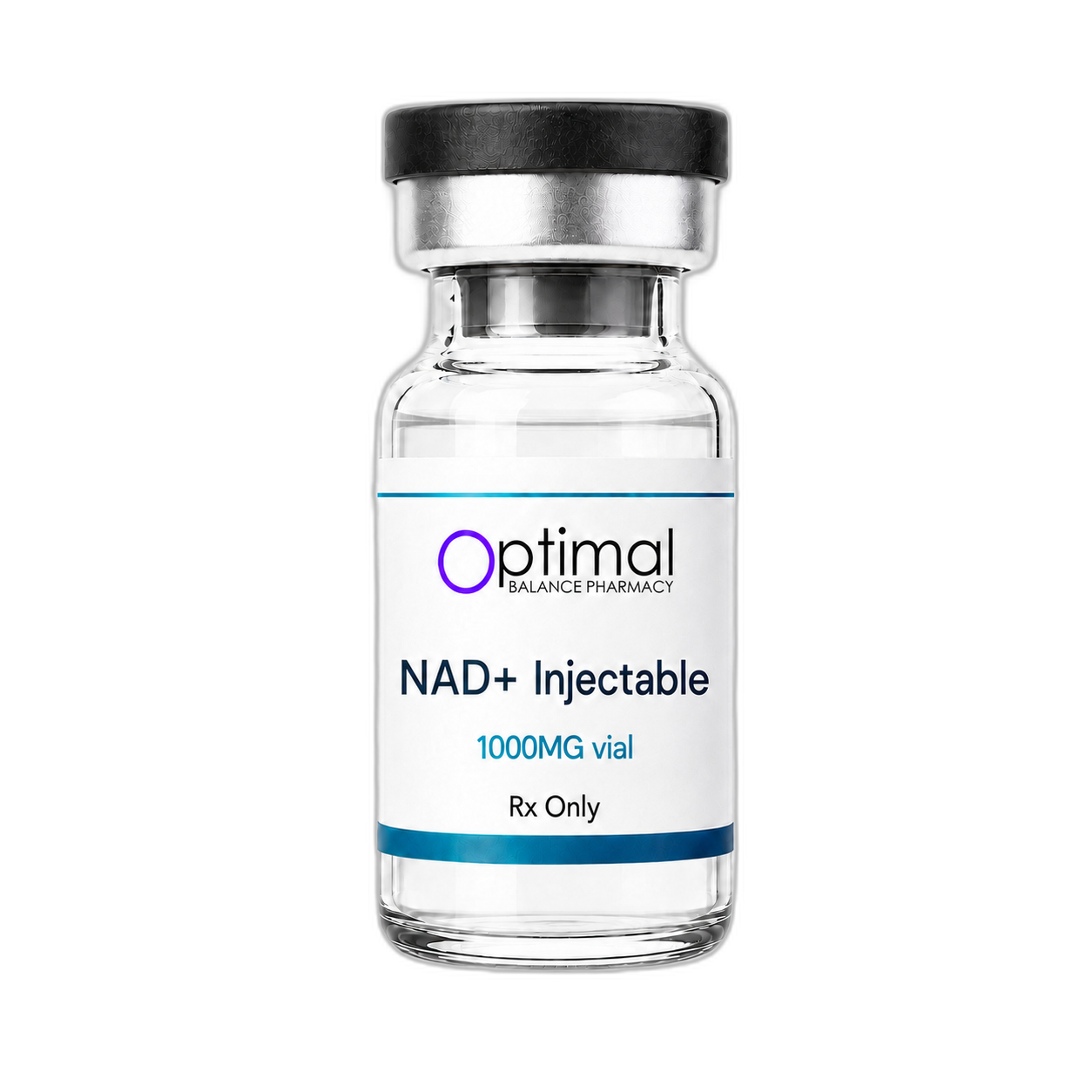
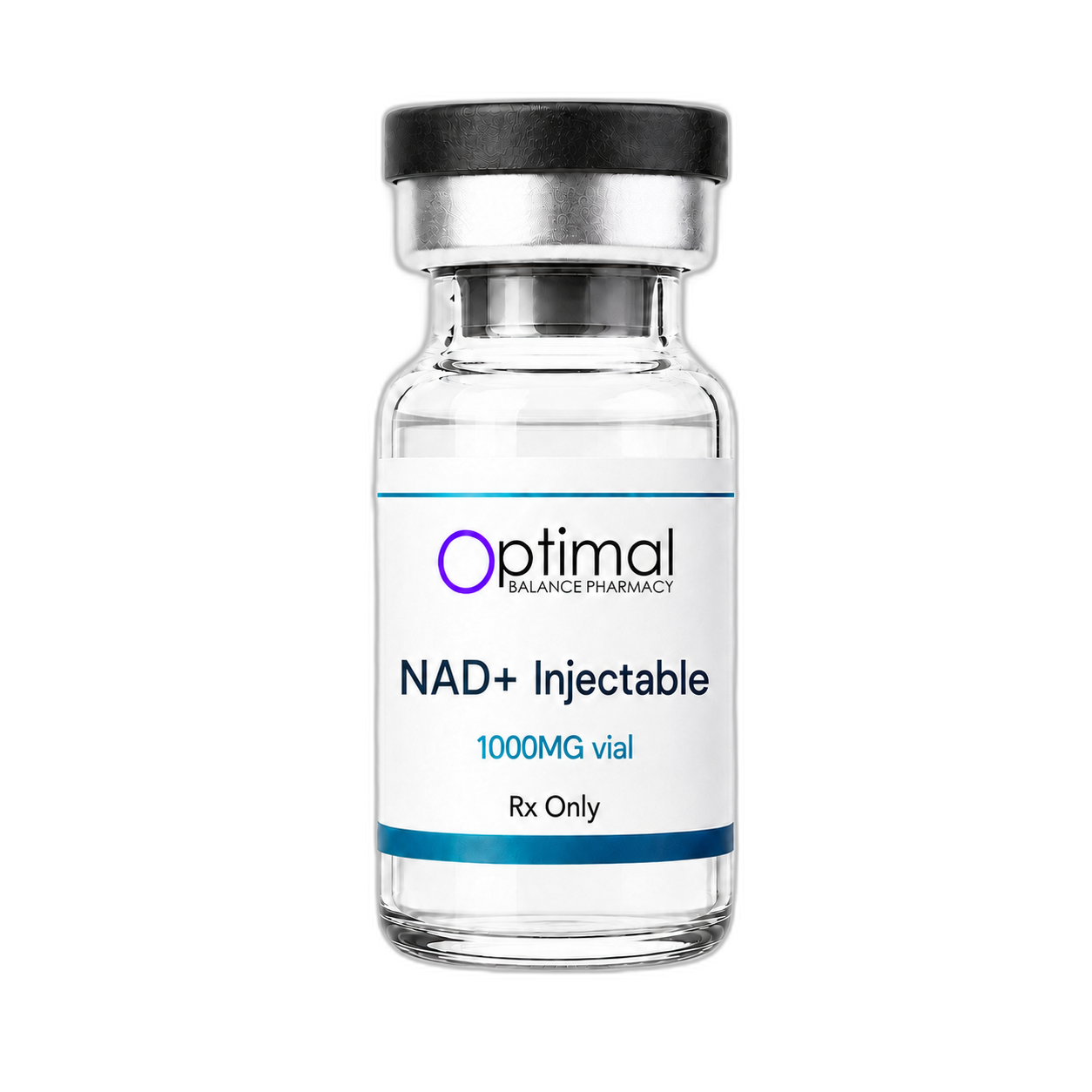
NAD+ Injectable
$100/1000mgThe cellular energy molecule. Injectable NAD+ for direct bioavailability and cellular rejuvenation.
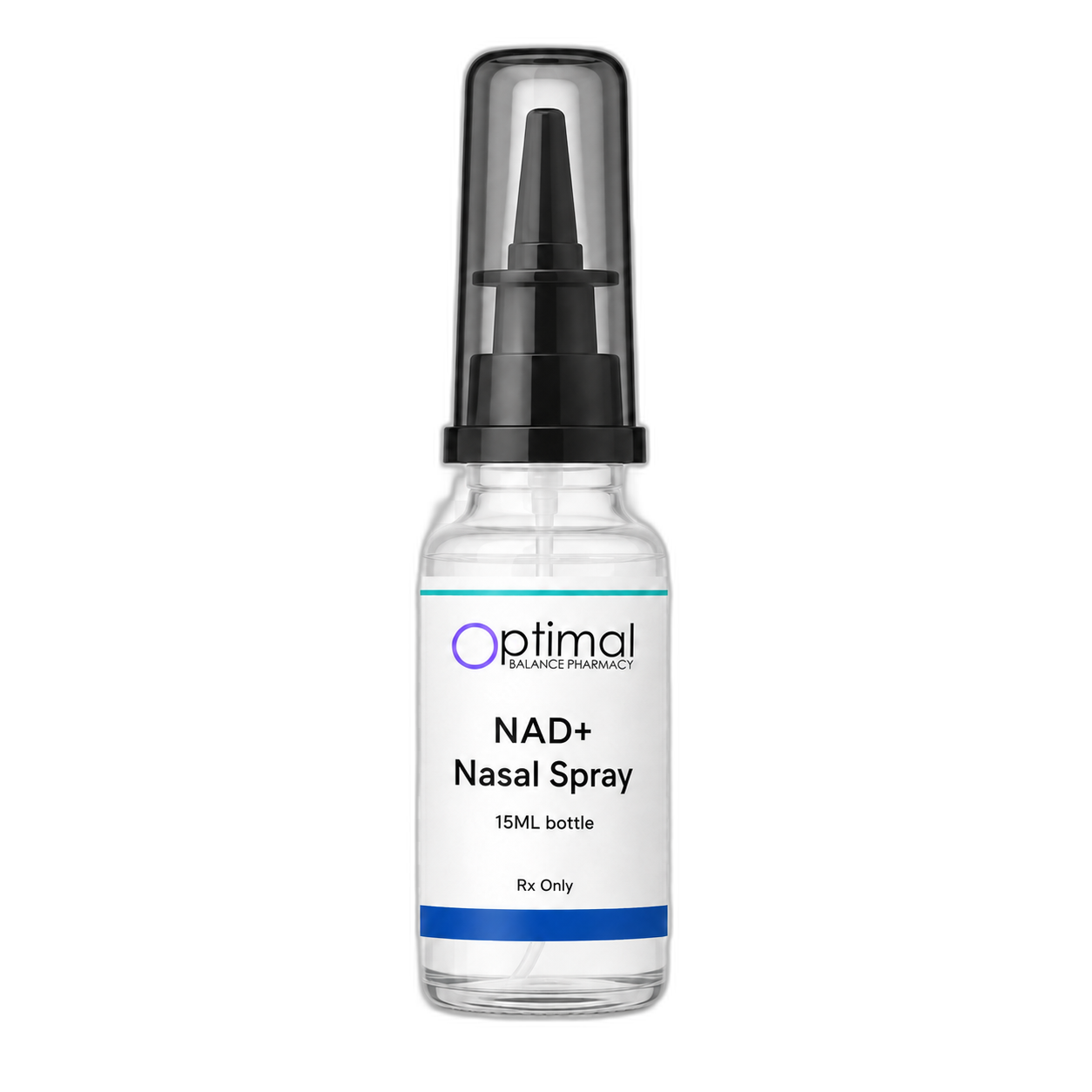
NAD+ Nasal Spray
$120/15mlIntranasal NAD+ delivery for rapid absorption and cognitive benefits without injection.
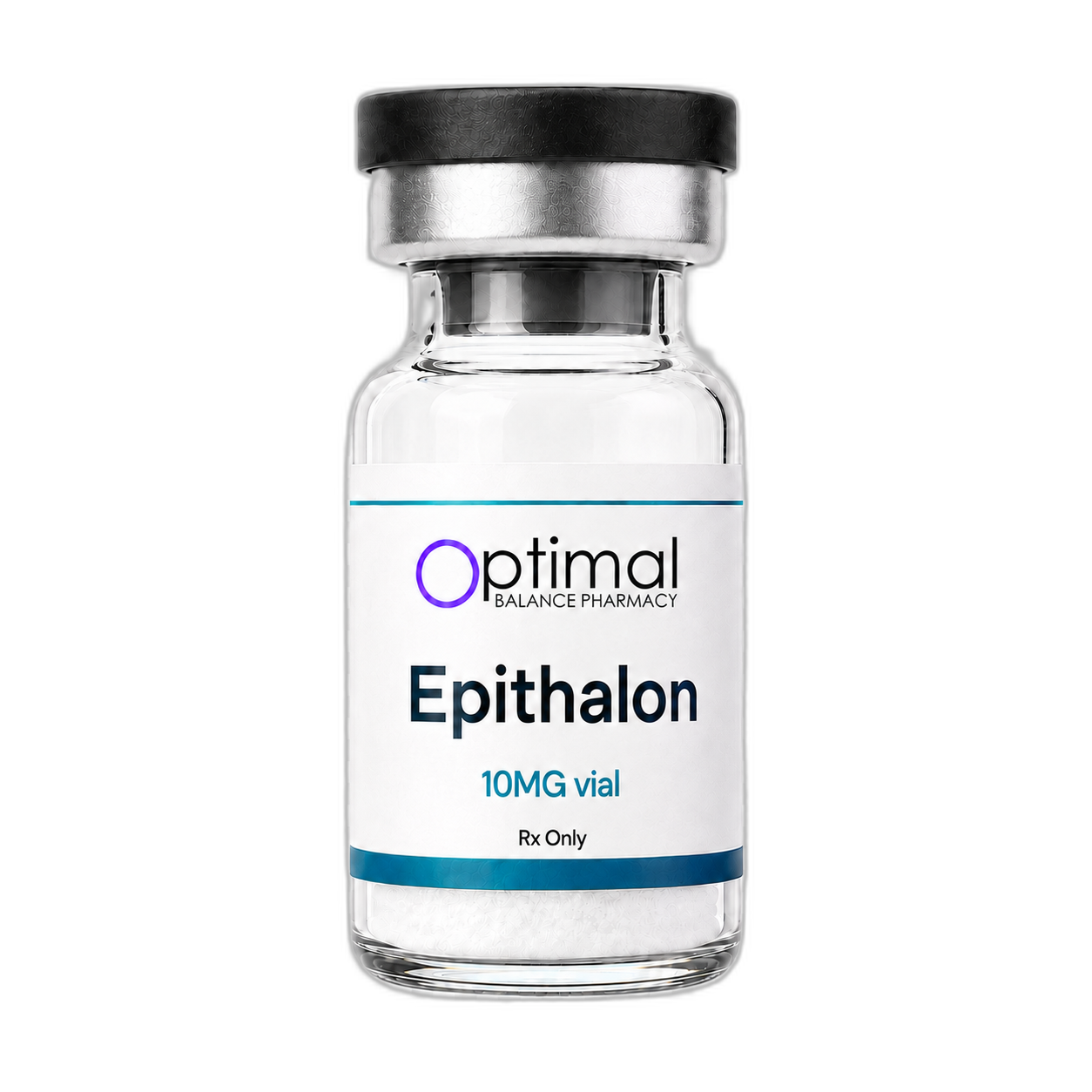
Epithalon
$80/10mgA telomerase-activating peptide that may help maintain telomere length. A key marker of cellular aging.
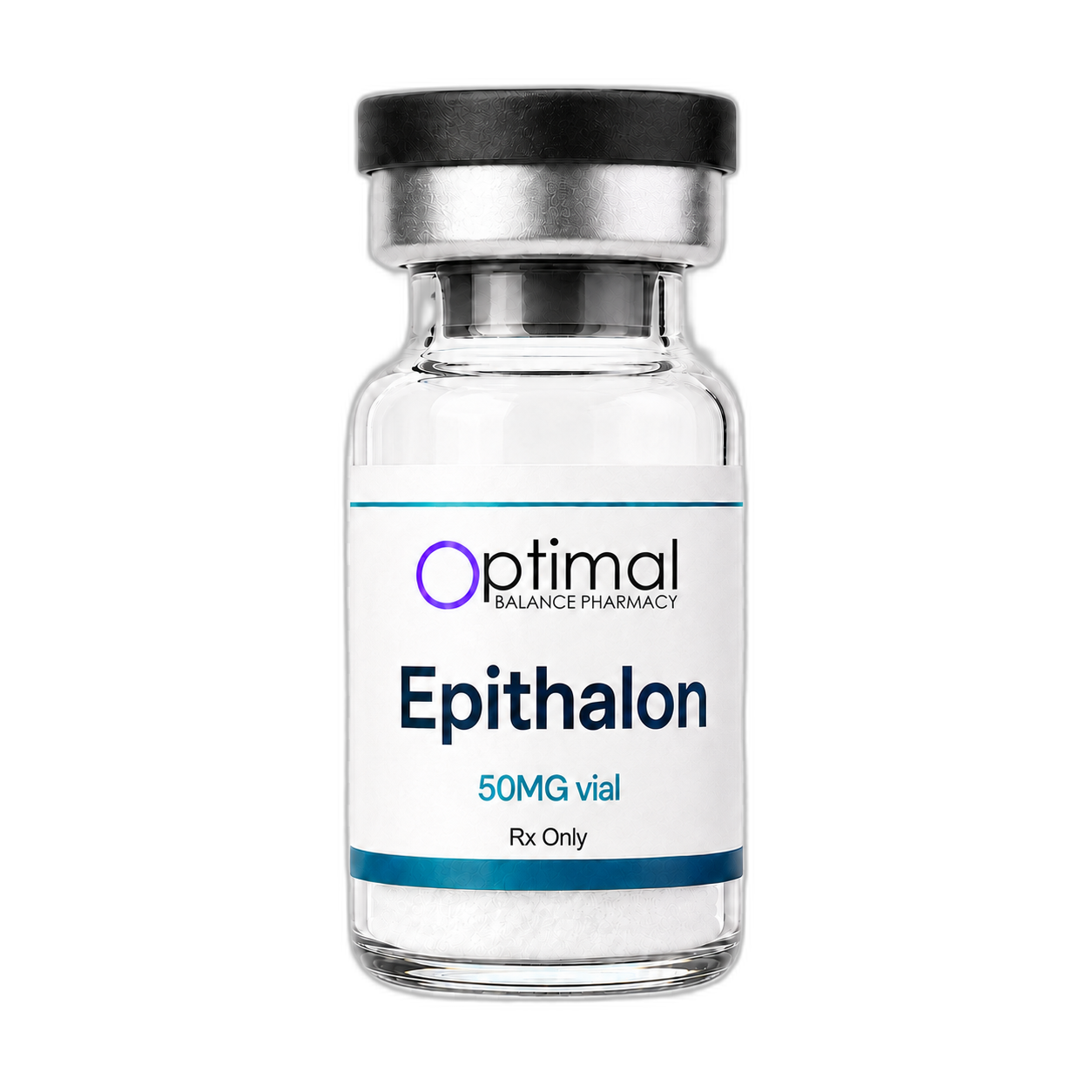
Epithalon High-Dose
$130/50mgHigh-concentration Epithalon for accelerated telomerase activation protocols.
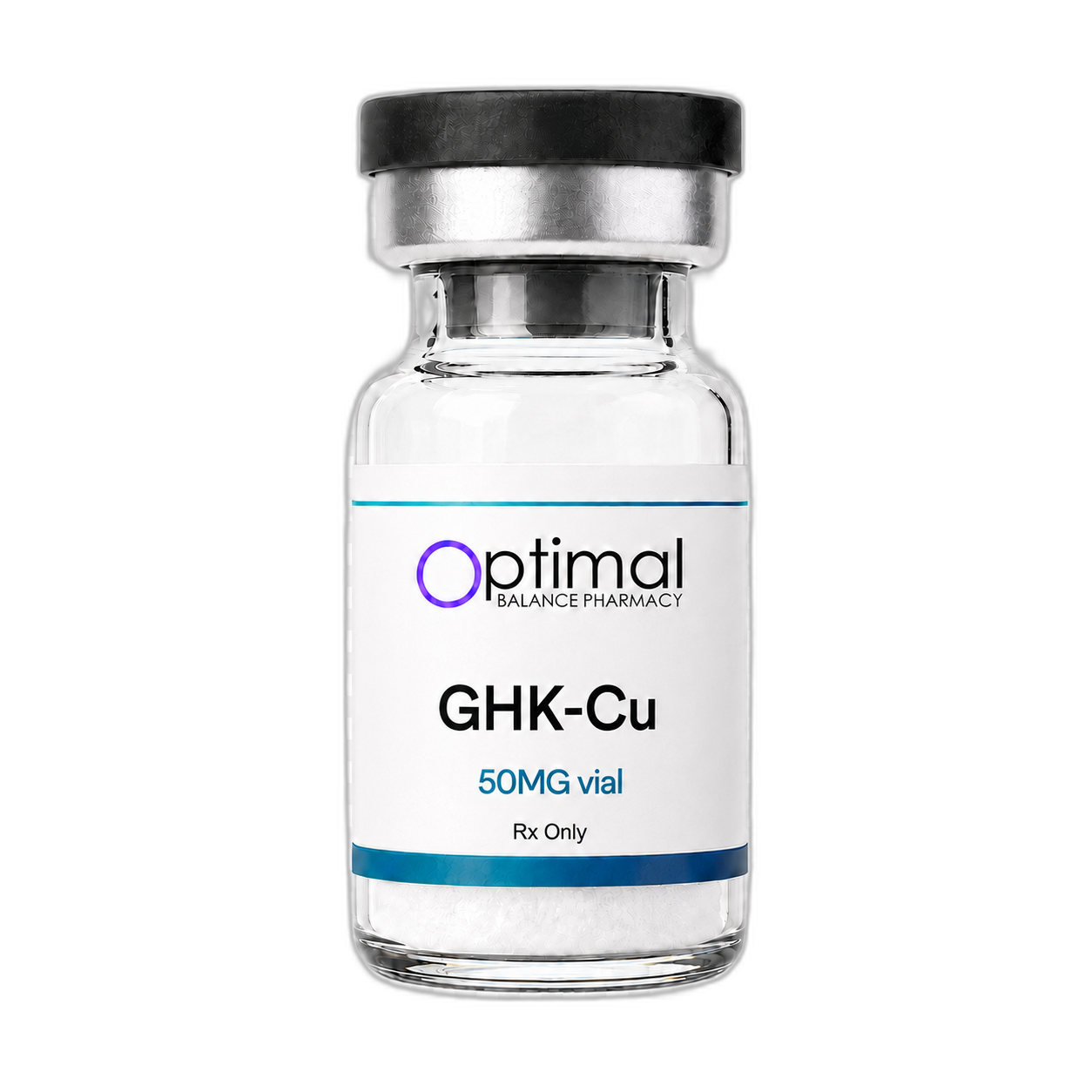
GHK-Cu
$80/50mgA copper peptide that activates thousands of regenerative genes. Dual-listed for longevity benefits.
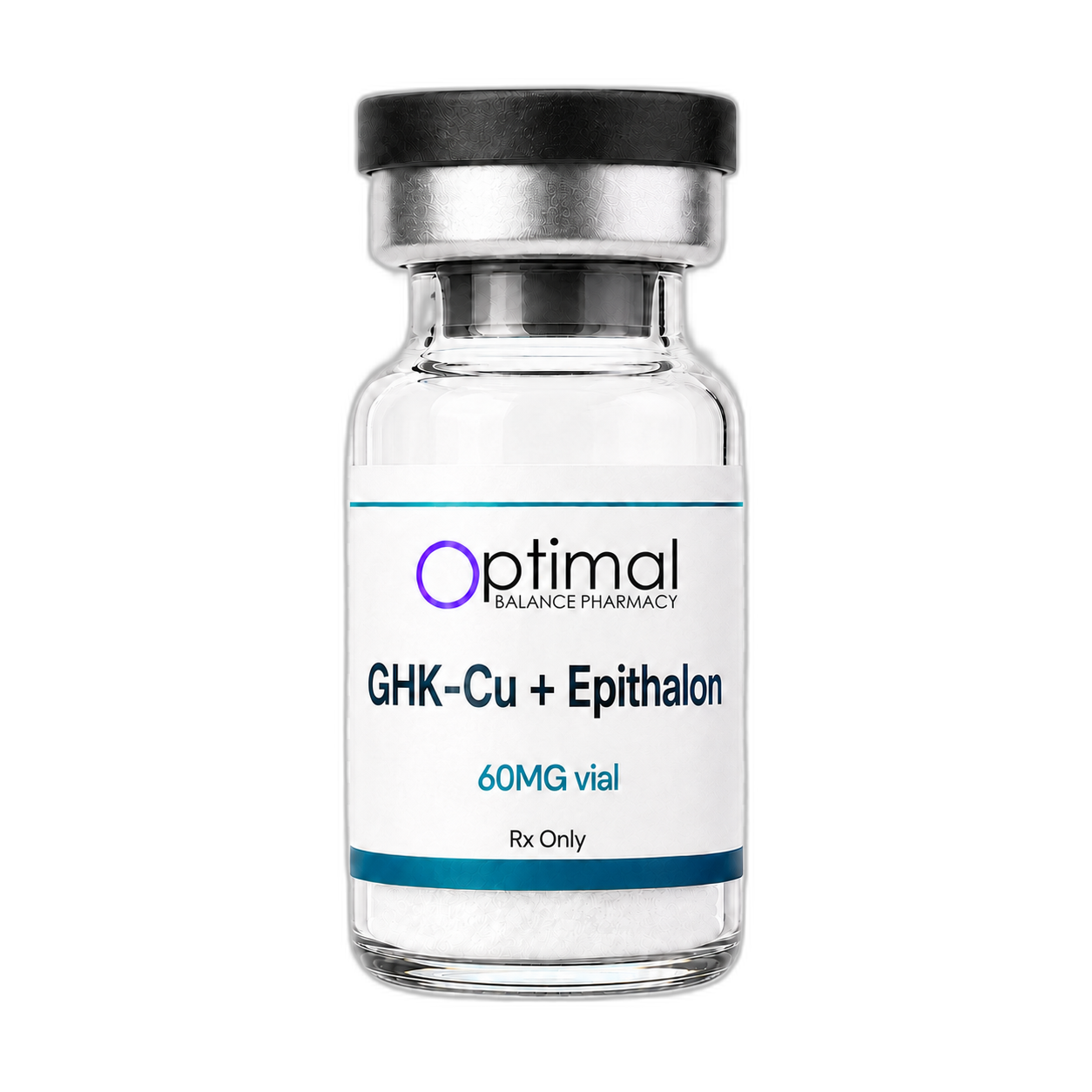
GHK-Cu + Epithalon
$100/50mg+10mgCombined copper peptide and telomerase activator for comprehensive cellular anti-aging.
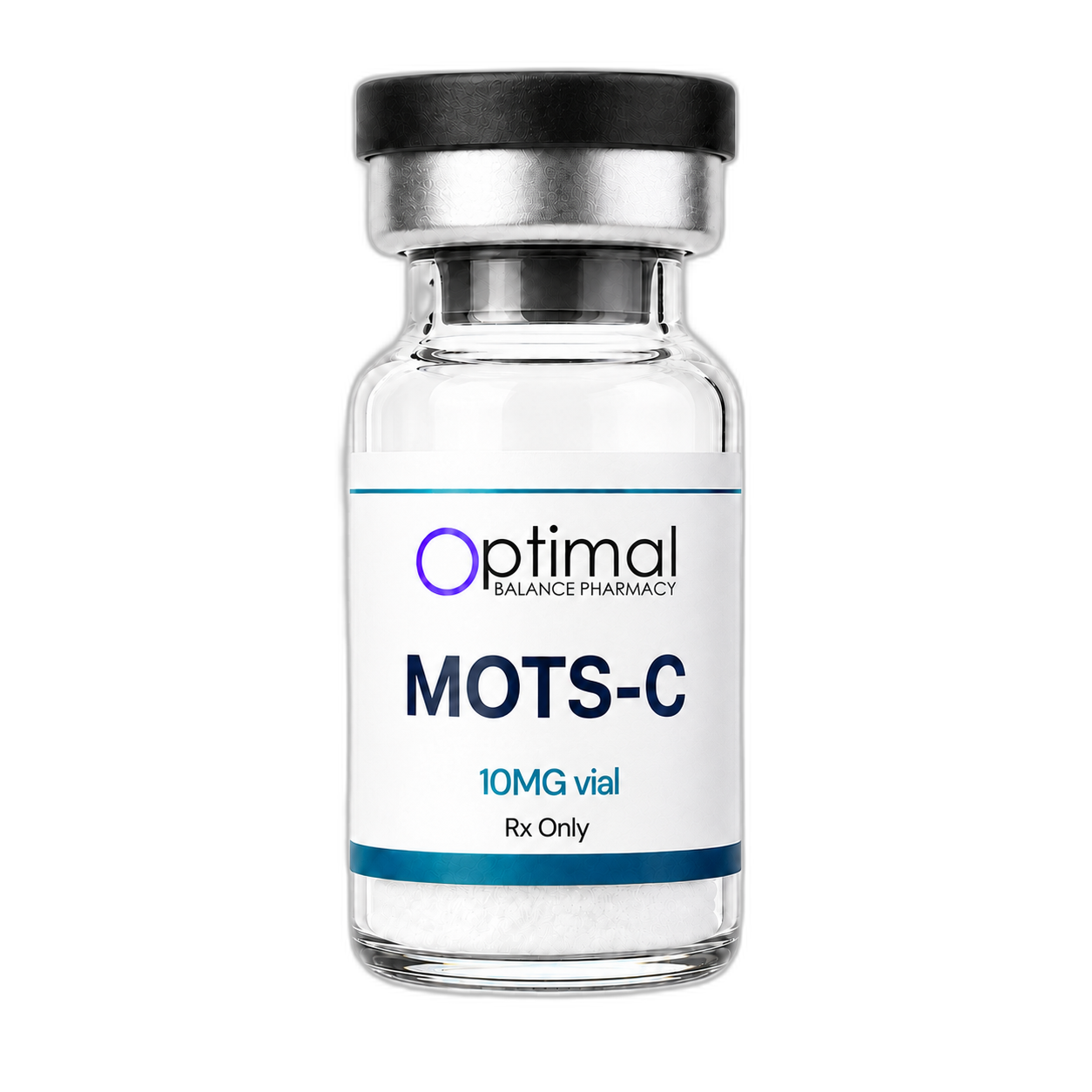
MOTS-C
$80/10mgA mitochondrial-derived peptide that enhances metabolic function and exercise capacity.
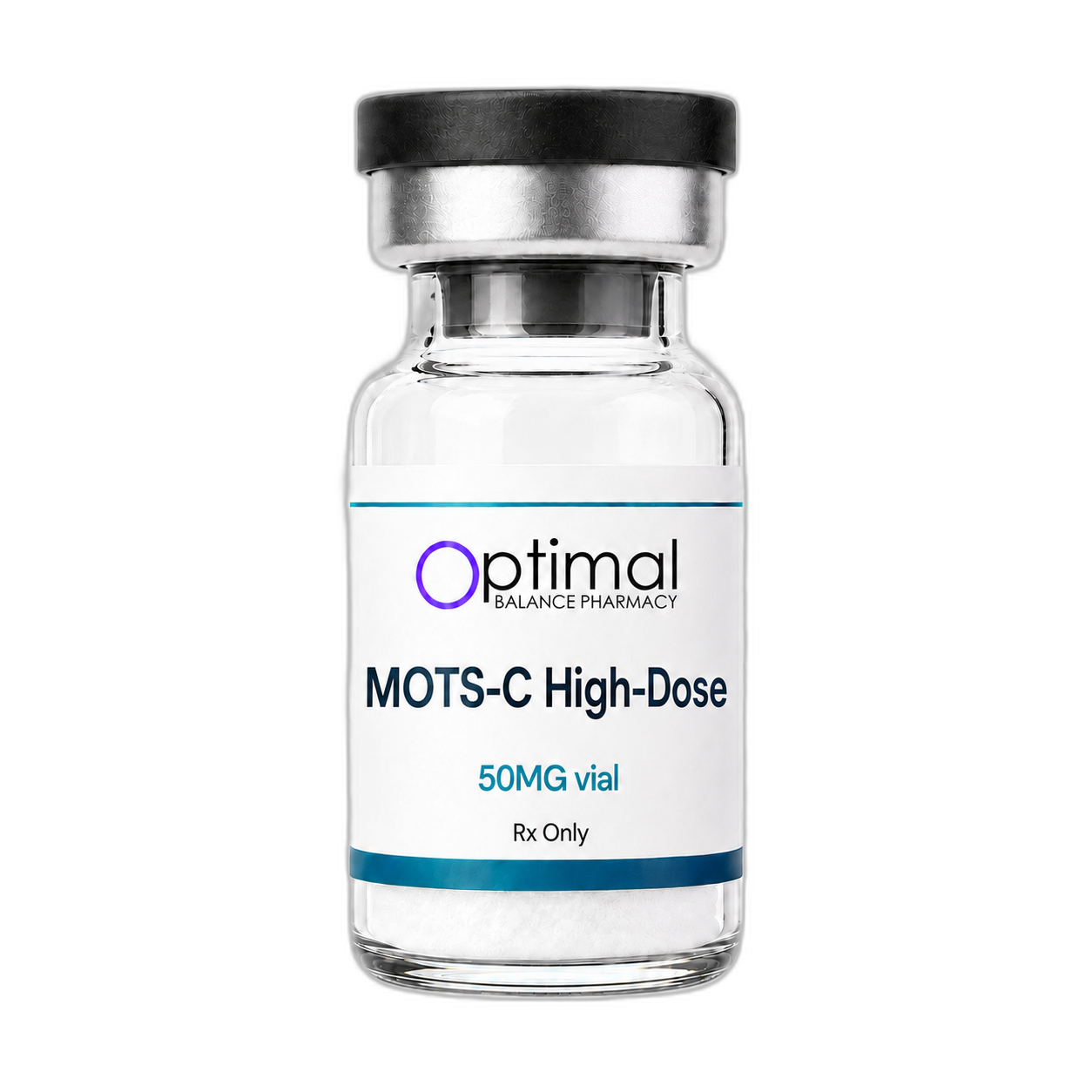
MOTS-C High-Dose
$130/50mgHigh-concentration MOTS-C for intensive mitochondrial and metabolic optimization protocols.
Glutathione
$20/2000mgThe body's master intracellular antioxidant, delivered subcutaneously for antioxidant and detox support.
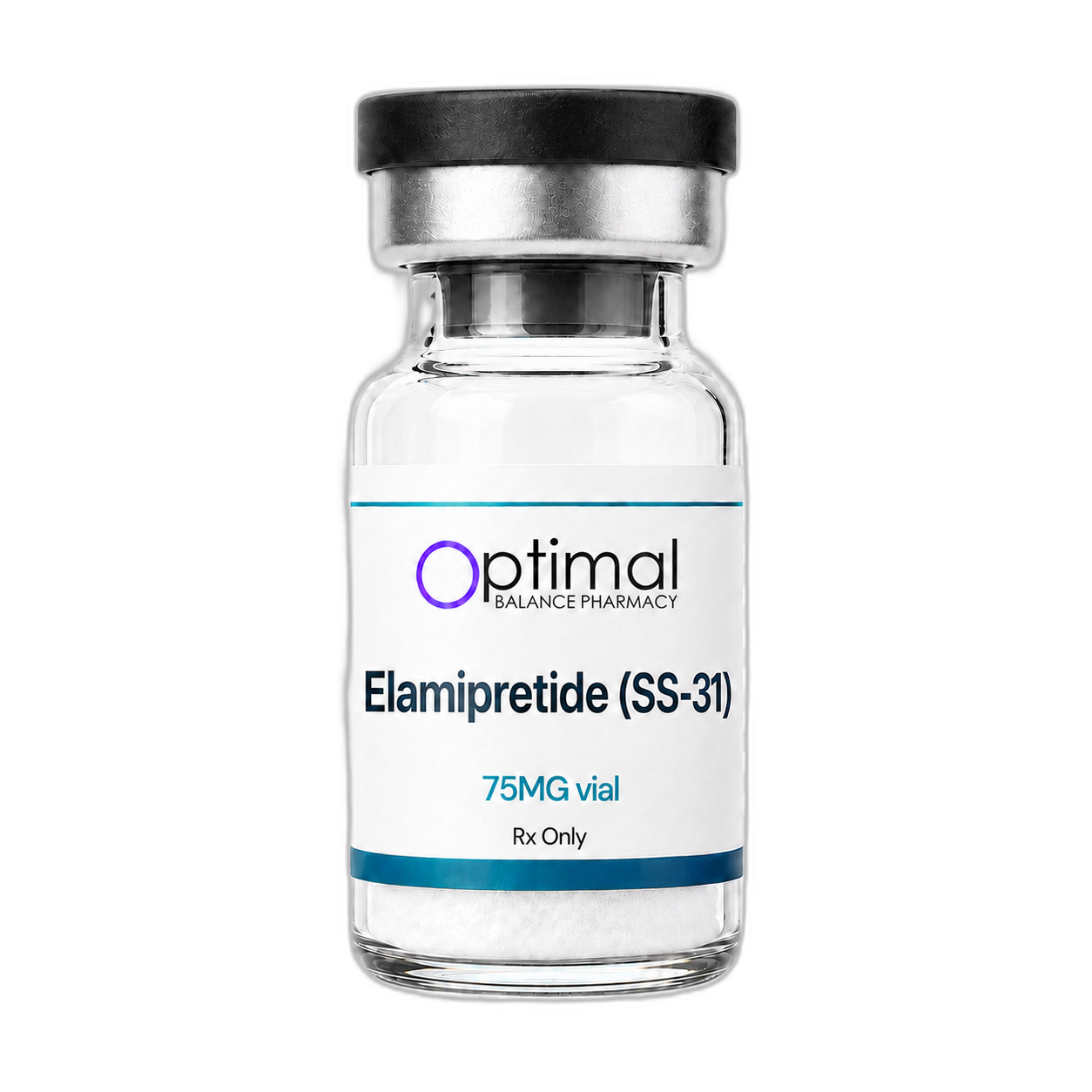
Elamipretide (SS-31)
$100/75mgA mitochondria-targeted peptide that stabilizes the inner membrane for optimal energy production.
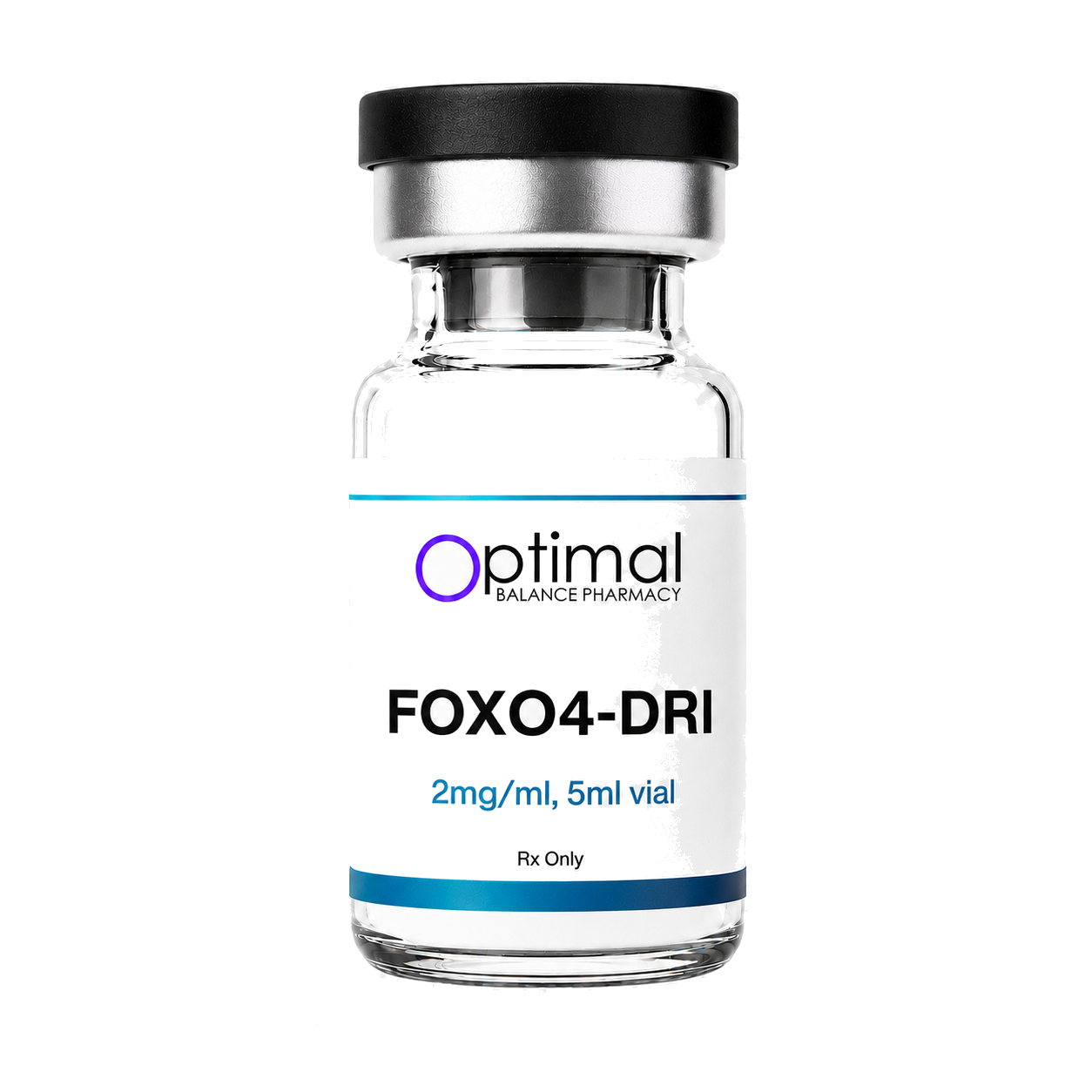
FOXO4-DRI
$80/10mgA senolytic peptide that selectively clears senescent "zombie" cells to support healthy aging.
Comparing longevity peptides
Longevity peptides Rx Peps Direct prescribes, with mechanism and evidence context.
| NAD+ Inject | MOTS-c | Epithalon | GHK-Cu | SS-31 | |
|---|---|---|---|---|---|
| Mechanism | Mitochondrial coenzyme | Mitochondrial-derived peptide | Telomerase activator | Copper tripeptide / gene activation | Mitochondrial cardiolipin protector |
| Evidence base | Strong mechanism, mixed lifespan | Strong rodent data | Limited human RCT data | Strong cosmetic + repair data | Mixed RCT data |
| Form | Subq injection (nasal available) | Subq injection | Subq injection | Subq injection | Subq injection |
| Typical protocol | 20-100 mg, 2-3x/wk | 5-10 mg, 2-3x/wk x 8-12 wk | 5-10 mg every other day x 10-20 doses, twice yearly | 1-3 mg subq daily x 4-12 wk | 1-5 mg daily or every other day |
| Starting price | $100 / 1000 mg | Per provider | Per provider | $80 / 50 mg | Per provider |
What to expect on a longevity peptide protocol
Acute energy and focus effects from NAD+ are typically reported within 1 to 2 hours of injection. Cognitive and mood effects build over the first 2 to 4 weeks of consistent dosing. Long-term metabolic and cellular health endpoints continue building through the first 8 to 12 weeks of a protocol. Long-term lifespan extension in humans is not established for any peptide currently available; the strongest evidence supports peptide use as metabolic and cognitive support rather than a guaranteed longevity intervention.
Important Safety Information
- •Active cancer (AUTO-DENY for NAD+)
- •Current chemotherapy (AUTO-DENY)
- •Severe liver/kidney disease (flag for provider review)
Frequently asked questions about longevity & anti-aging peptides
- Does NAD+ injection actually work for anti-aging?
- NAD+ replenishment has clear mechanistic evidence: it supports mitochondrial ATP production, activates sirtuin-1, and provides substrate for PARP-1 DNA repair. Patients commonly report improved energy and cognitive focus within 2 to 4 weeks of consistent dosing. Long-term lifespan-extension claims are not supported by human trial data; the evidence supports NAD+ as a metabolic and cognitive intervention rather than a verified longevity drug.
- What is the difference between NAD+ injection and NMN supplements?
- Injectable NAD+ delivers the coenzyme directly into circulation, bypassing the digestive system. NMN (nicotinamide mononucleotide) is an oral precursor that the body converts to NAD+ over time. Injection produces a higher and faster cellular NAD+ peak; NMN provides slower, more sustained elevation but with lower bioavailability. Most peptide-clinic protocols use injection because the cellular elevation is more reliable.
- Does Epithalon really lengthen telomeres?
- Animal studies (mostly rodent) consistently show telomerase activation and small extensions of mean lifespan with Epithalon administration. Human clinical evidence is limited; the strongest data comes from Russian and Eastern European research that has not been replicated in large U.S. trials. Use is investigational and supervised by the prescribing provider.
- How does MOTS-c support longevity?
- MOTS-c is a peptide encoded within mitochondrial DNA. It regulates AMPK signaling, insulin sensitivity, and metabolic homeostasis. Levels decline with age. Animal studies show consistent improvements in insulin sensitivity and modest lifespan extension. Human data is limited but suggests improved glucose tolerance and exercise performance markers.
- What is the most-studied longevity peptide?
- GHK-Cu has the largest published evidence base of any peptide marketed for longevity, primarily in cosmetic and tissue-repair contexts (microarray studies document effects across over 4,000 genes related to repair pathways). NAD+ has the strongest mechanistic evidence for cellular energy support. Epithalon and MOTS-c have growing animal-model evidence but limited large-scale human trials.
Protocol guides for longevity & anti-aging
Clinical guides covering the molecules in this category. Mechanism, dosing, evidence, and what the research does not yet support.
Longevity coenzyme
NAD+ protocol guide: sirtuin activation, the bioavailability problem, and IV vs subcutaneous
Oral supplements have a bioavailability problem the marketing rarely admits. IV produces the flush. Subcutaneous is the at-home middle ground. Not proven to extend lifespan.
Mitochondrial-derived peptide (metabolic)
MOTS-c protocol guide: AMPK activation, the WADA prohibition, and the human evidence gap
Strong rodent data, thin human RCT data. AMPK activator (different mechanism than metformin). WADA prohibited since 1/1/2025. Not an exercise substitute.
Mitochondria-targeted tetrapeptide
Elamipretide (SS-31) guide: cardiolipin-stabilizing mitochondria-targeted peptide
Cleanest mechanism in the mitochondrial-support category. Late-stage FDA program (Barth syndrome). Phase III ReCLAIM-2 missed primary endpoint. Available through 503A compounding.
Mitochondrial cognitive capsule (MB-5 to MB-25)
Methylene Blue guide: mitochondrial electron carrier, MAO-A inhibitor, the SSRI contraindication
Mitochondrial electron carrier at low dose, MAO-A inhibitor at any dose. SSRIs, SNRIs, MAOIs, TCAs are hard contraindications. Hormetic dose curve. Medication screening is mandatory.
Delta sleep-inducing peptide
DSIP protocol guide: sleep architecture, the 15-minute half-life, and the abandoned clinical pipeline
Not a sedative. Most clinical data is 1981 to 1985 IV studies. Slow-wave sleep architecture modulator. 40 to 50 percent non-responder rate.
Longevity peptide protocol
Epithalon (Epitalon) protocol guide: the telomere peptide, the Khavinson studies, and the limits of the evidence
Pineal tetrapeptide, telomerase reactivation, the in vitro telomere result, the 266-patient extract trial, fly and mouse lifespan data, WADA S0 status, and the 503A pathway. Honest about how thin and unreplicated the human proof is.
Senolytic peptide (p53 / FOXO4 interaction blocker)
FOXO4-DRI protocol guide: the senolytic peptide, the 2017 Baar mouse study, and the total absence of human trial data
A D-retro-inverso peptide that kills senescent cells by freeing p53 from FOXO4 sequestration. Mouse results are real and peer-reviewed in Cell. There is no Phase 1 human trial, no human dose, and no human safety profile. Honest about that gap throughout.