Cognitive support peptides and nootropics
Cognitive peptides target distinct neurochemical mechanisms: methylene blue acts as an alternative electron carrier in the mitochondrial transport chain, Semax modulates BDNF and acetylcholine signaling, Selank produces anxiolytic effects without sedation, and DSIP supports delta-wave sleep architecture. Rx Peps Direct (RxPepsDirect.com) prescribes pharmaceutical-grade methylene blue in 4 capsule strengths plus the major nootropic peptides under 503A protocols.
- Methylene blue at low oral doses is well-studied; high doses inhibit MAO and contraindicate SSRI/SNRI use.
- Semax and Selank were developed in Russia; combined nasal spray delivery is standard outside the U.S.
- DSIP is dosed before bed for sleep architecture, not as a daytime sedative.
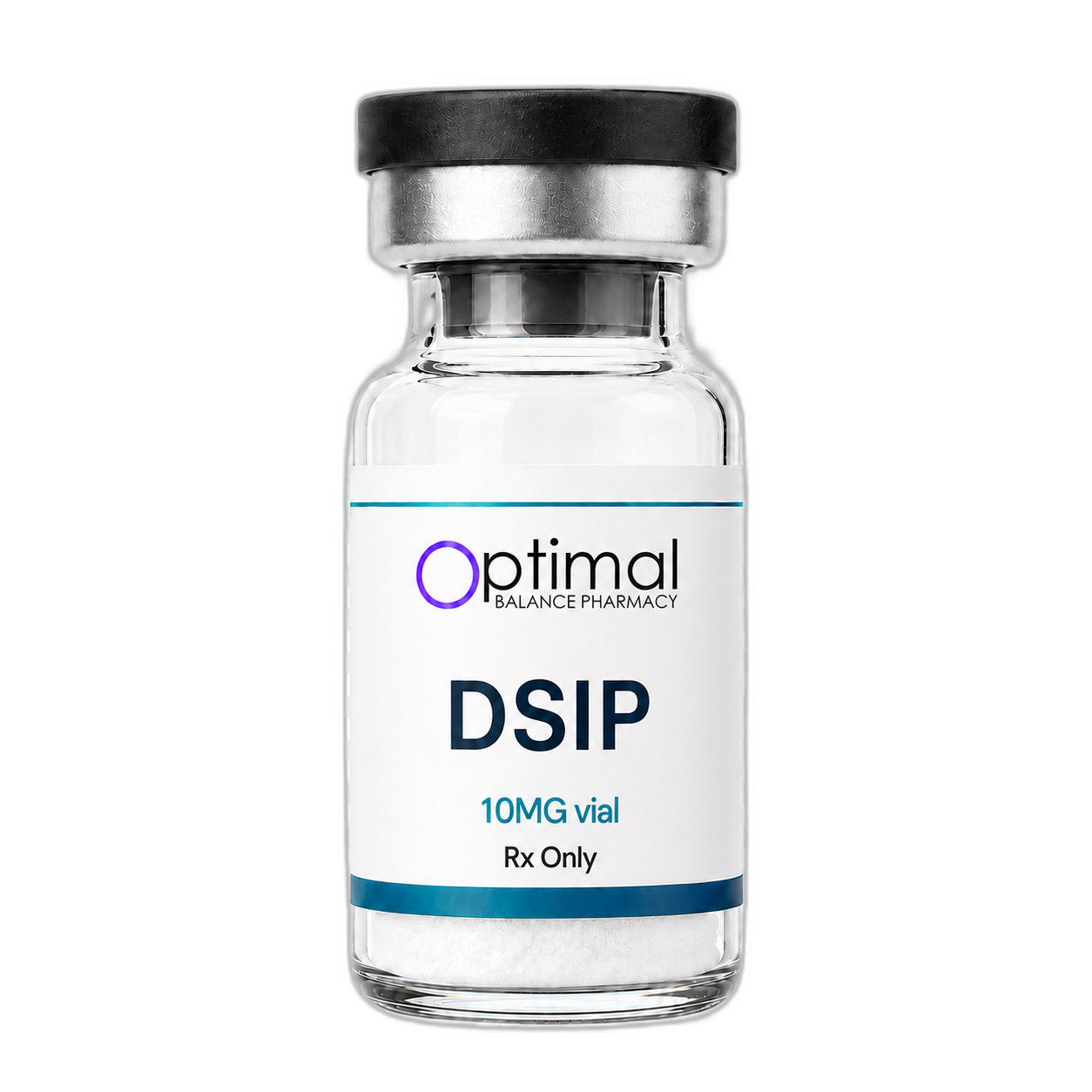
DSIP
$80/10mgDelta Sleep Inducing Peptide. Naturally promotes deep, restorative sleep architecture.
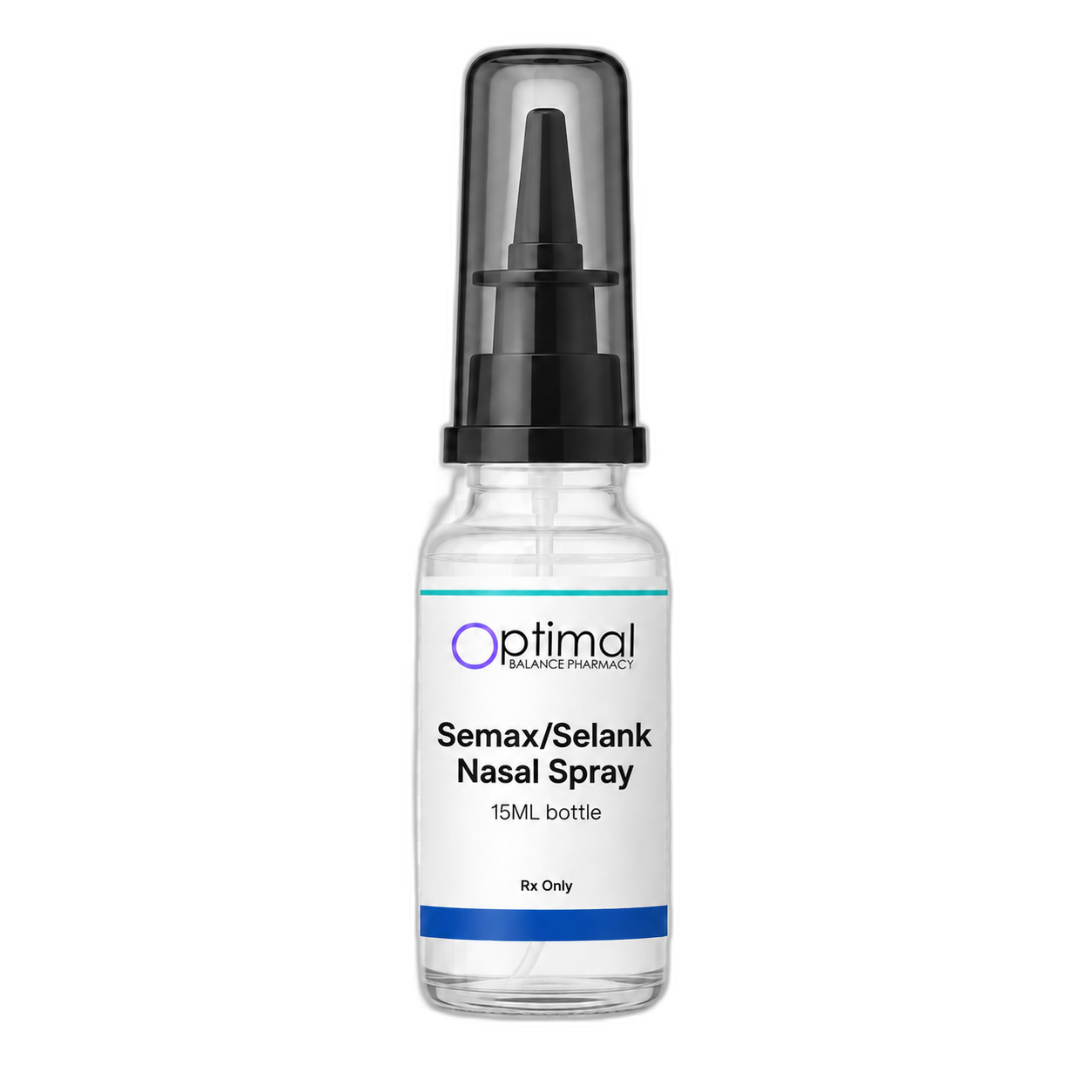
Semax/Selank Nasal Spray
$150/sprayRussian-developed nootropic combo. Semax for focus and Selank for anxiolytic calm.
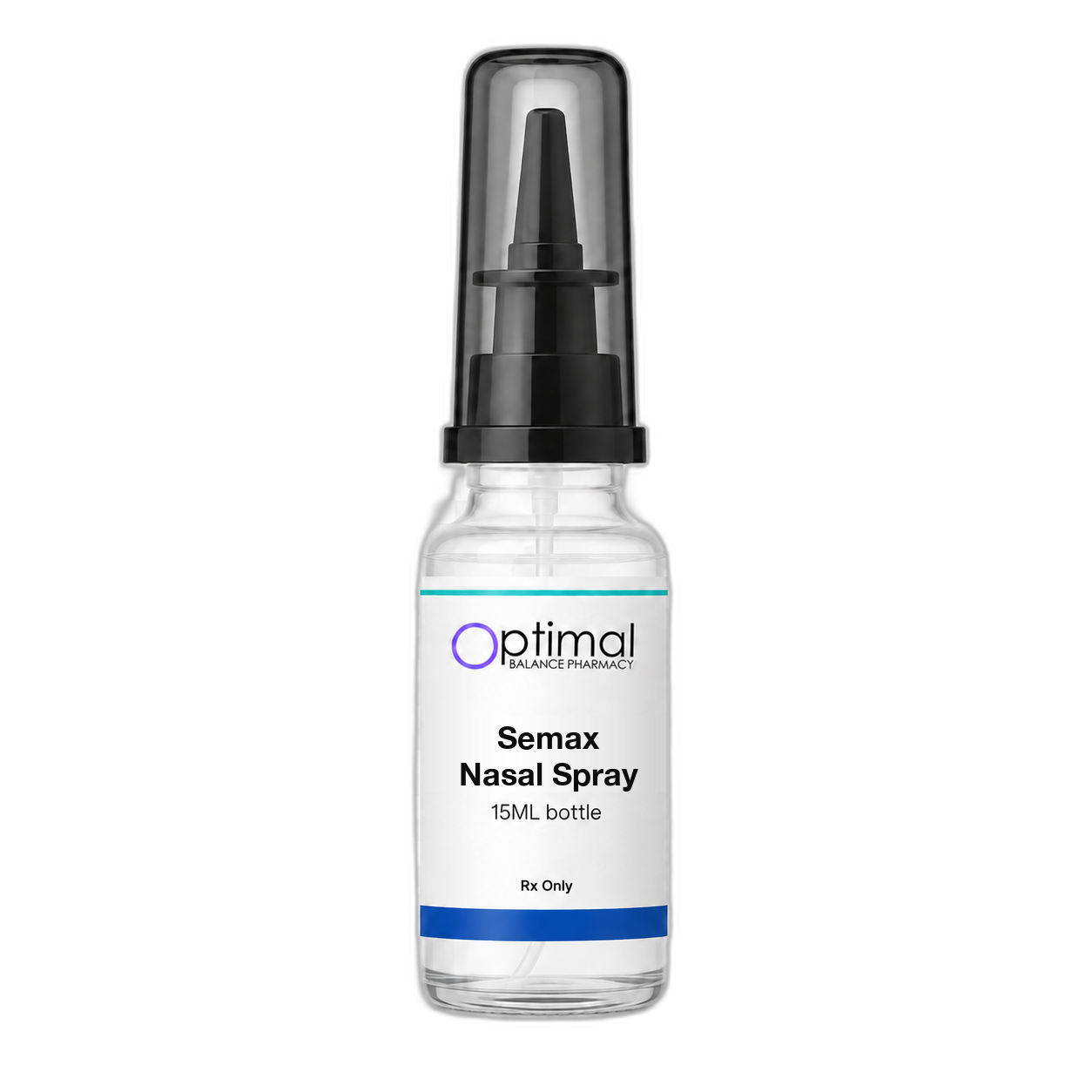
Semax Nasal Spray
$125/15mlRussian-developed nootropic peptide nasal spray for focus and cognitive support, without the Selank component.
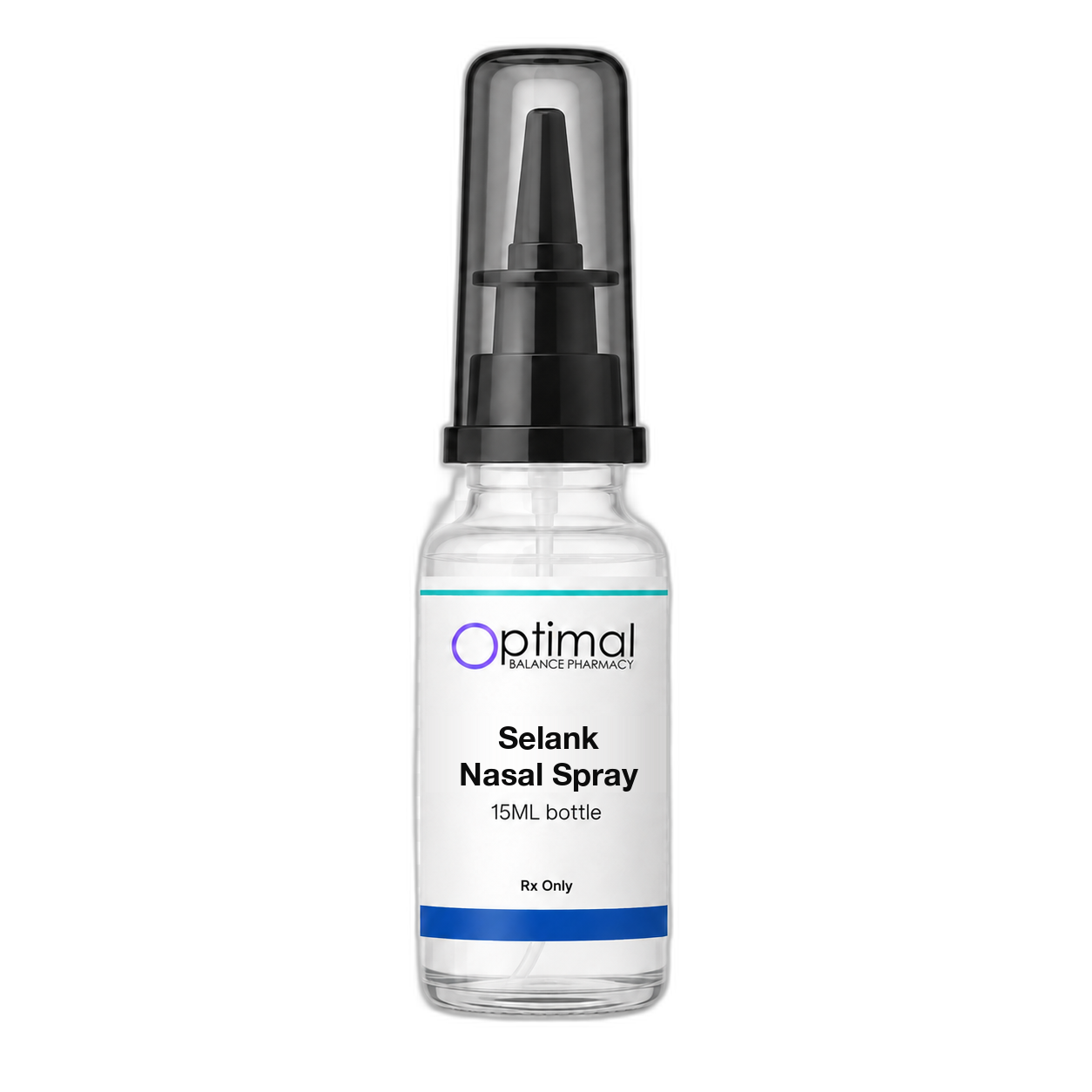
Selank Nasal Spray
$125/15mlRussian-developed anxiolytic peptide nasal spray for calm focus, without the Semax component.
Methylene Blue 5mg
$1.75/capLow-dose mitochondrial electron carrier for neuroprotection and cognitive enhancement.
Methylene Blue 10mg
$2.00/capStandard-dose methylene blue for established users seeking cognitive and mitochondrial benefits.
Methylene Blue 15mg
$2.25/capEnhanced-dose methylene blue for experienced users in provider-guided protocols.
Methylene Blue 25mg
$2.50/capMaximum-dose methylene blue for advanced protocols under strict provider supervision.
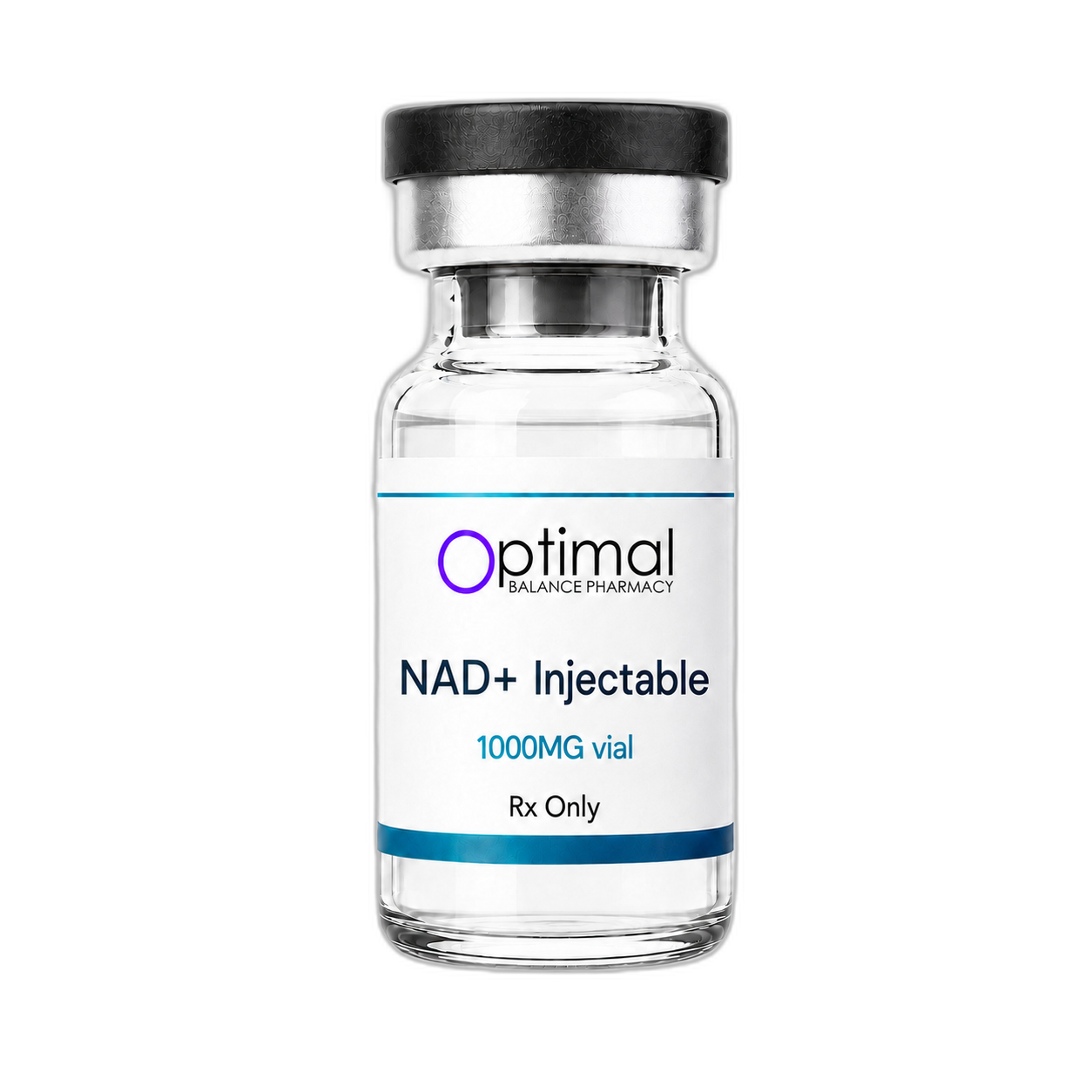
NAD+ Injectable
$100/1000mgInjectable NAD+ dual-listed for its significant cognitive and neuroprotective benefits.
Comparing cognitive peptides and nootropics
Cognitive support peptides Rx Peps Direct prescribes, with mechanism and use context.
| Methylene Blue | Semax/Selank | DSIP | |
|---|---|---|---|
| Mechanism | Mitochondrial electron carrier | BDNF + tuftsin signaling | Delta-wave sleep modulator |
| Form | Oral capsule (5/10/15/25 mg) | Nasal spray | Subq injection |
| Onset | 1-2 hours | 30-60 min | 30-60 min before bed |
| Best for | Cognitive support, mitochondrial | Focus + anxiolytic combo | Sleep architecture |
| Critical contraindication | AUTO-DENY for SSRI/SNRI/MAOI/G6PD | Avoid pregnancy + nursing | No same-day driving 8 hours post-dose |
| Starting price | $1.75 / cap | $150 / spray | $80 / 10 mg |
What to expect on a cognitive peptide protocol
Cognitive peptides typically produce noticeable effects within hours of dosing rather than days. Methylene blue users often report sharper focus on the same day they start (along with the famous blue-green urine, which is harmless). Semax/Selank users report reduced background anxiety and clearer thinking within 30 to 60 minutes. Long-term continuous use is generally avoided in favor of cycled or PRN protocols, especially for higher methylene blue strengths.
Important Safety Information
- •G6PD deficiency (AUTO-DENY for Methylene Blue)
- •Current use of SSRIs/SNRIs + Methylene Blue (AUTO-DENY. Serotonin syndrome risk)
- •MAO inhibitor use (AUTO-DENY)
- •Lithium use (flag for Semax/Selank)
- •Active psychosis or schizophrenia
Frequently asked questions about cognitive & brain health peptides
- What is the best peptide for focus and cognition?
- There is no single best cognitive peptide. Methylene blue at 5 to 10 mg per day has the strongest evidence base for general cognitive support. Semax/Selank nasal spray adds an anxiolytic component that helps patients whose cognitive symptoms include background stress. Your provider will recommend based on your specific cognitive complaints and medication history.
- Does methylene blue actually work for cognition?
- Methylene blue at low oral doses (5 to 25 mg per day) acts as a redox shuttle in the mitochondrial electron transport chain, supporting ATP production under stress. Animal and limited human data show neuroprotective effects in models of cognitive decline and improved memory at low doses. Most clinical use is for cognitive support, post-concussion recovery, and as an adjunct in select neurodegenerative protocols.
- Is Semax safe for daily use?
- Russian clinical literature on Semax shows good tolerability over multi-week courses for cognitive and stroke-recovery indications. The most common transient effects are mild nasal irritation and rare alertness-related sleep disturbance if dosed late in the day. Long-term continuous-daily-use safety data in U.S. populations is limited; most providers cycle Semax in 4-to-8-week courses.
- What medications cannot be combined with methylene blue?
- Do not combine methylene blue with SSRIs, SNRIs, MAOIs, tricyclic antidepressants, lithium, tramadol, dextromethorphan, St. John's Wort, or any other serotonergic medication. The combination can cause serotonin syndrome, which is potentially life-threatening. Patients with G6PD deficiency cannot take methylene blue at any dose. Rx Peps Direct auto-denies methylene blue prescriptions if any of these flags appear on intake.
Protocol guides for cognitive & brain health
Clinical guides covering the molecules in this category. Mechanism, dosing, evidence, and what the research does not yet support.
Mitochondrial cognitive capsule (MB-5 to MB-25)
Methylene Blue guide: mitochondrial electron carrier, MAO-A inhibitor, the SSRI contraindication
Mitochondrial electron carrier at low dose, MAO-A inhibitor at any dose. SSRIs, SNRIs, MAOIs, TCAs are hard contraindications. Hormetic dose curve. Medication screening is mandatory.
Russian nootropic + anxiolytic nasal spray
Semax / Selank combo guide: ACTH-fragment cognition plus tuftsin-analog anxiolytic
Two heptapeptides in one spray. Semax adds focus, Selank adds calm. Russian clinical use. Non-stimulant, non-sedating, 14 to 21 day course.
TP-7 tuftsin analog (anxiolytic)
Selank protocol guide: tuftsin-analog anxiolytic, Russian RCT evidence, and the 14-day course
Russian clinical use for generalized anxiety. Non-sedating, no documented tolerance. Western replication is thin. Rx Peps Direct prescribes Selank alone or in the Semax/Selank combo spray.